Aligning Directory Indexing Protocols with Promotional Flow Management Across Digital Wagering Resource Libraries
Iris Simon · Aug 3, 2026
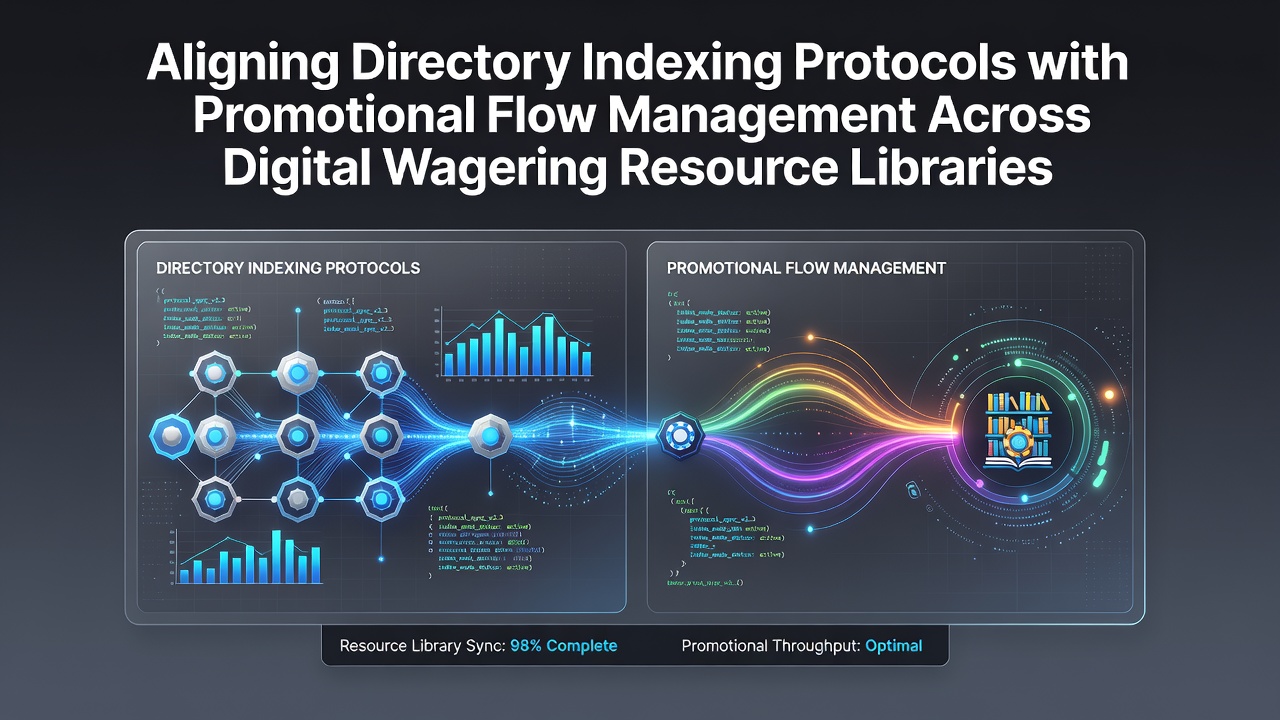
Aligning Directory Indexing Protocols with Promotional Flow Management Across Digital Wagering Resource Libraries
Directory indexing protocols establish the rules that search engines follow when they crawl and catalog content within digital wagering resource libraries, and these protocols must coordinate with promotional flow management systems to maintain consistent visibility for bonus offers, game strategy archives, and regulatory updates. Observers note that misalignment between indexing directives and promotional calendars often leads to duplicate content issues or delayed exposure of time-sensitive deals across casino review platforms.
Core Components of Directory Indexing in Wagering Sites
Robots.txt files and sitemap directives form the foundation of directory indexing, and they determine which sections of a site receive priority during crawls while blocking paths that contain redundant or low-value material. Data from the Nevada Gaming Control Board shows increased scrutiny on how online operators structure their resource libraries, particularly when promotional content updates occur frequently throughout the year. Those who manage large casino review networks often discover that precise indexing rules prevent search engines from indexing expired bonus pages that could otherwise dilute current promotional signals.
Promotional flow management involves scheduling, versioning, and routing of deals across multiple categories such as slot volatility indexes, table game previews, and jurisdiction-specific regulatory feeds, and this process requires tight integration with indexing protocols so that new offers appear in search results without lag. Researchers discovered that sites using automated sitemap generation tied to promotional databases experience faster indexing cycles, especially when updates coincide with seasonal campaigns or jurisdiction changes announced in August 2026.
Coordination Between Indexing Rules and Promotional Workflows
Alignment begins when teams map promotional content categories to specific directory structures, then apply robots directives that allow indexing only on active paths while disallowing archives of past campaigns. This approach reduces crawl budget waste and ensures that search engines prioritize fresh material such as updated bonus terms or new game strategy compilations. Industry reports indicate that operators who link their content management systems directly to sitemap regeneration scripts achieve more reliable synchronization between deal launches and search visibility.
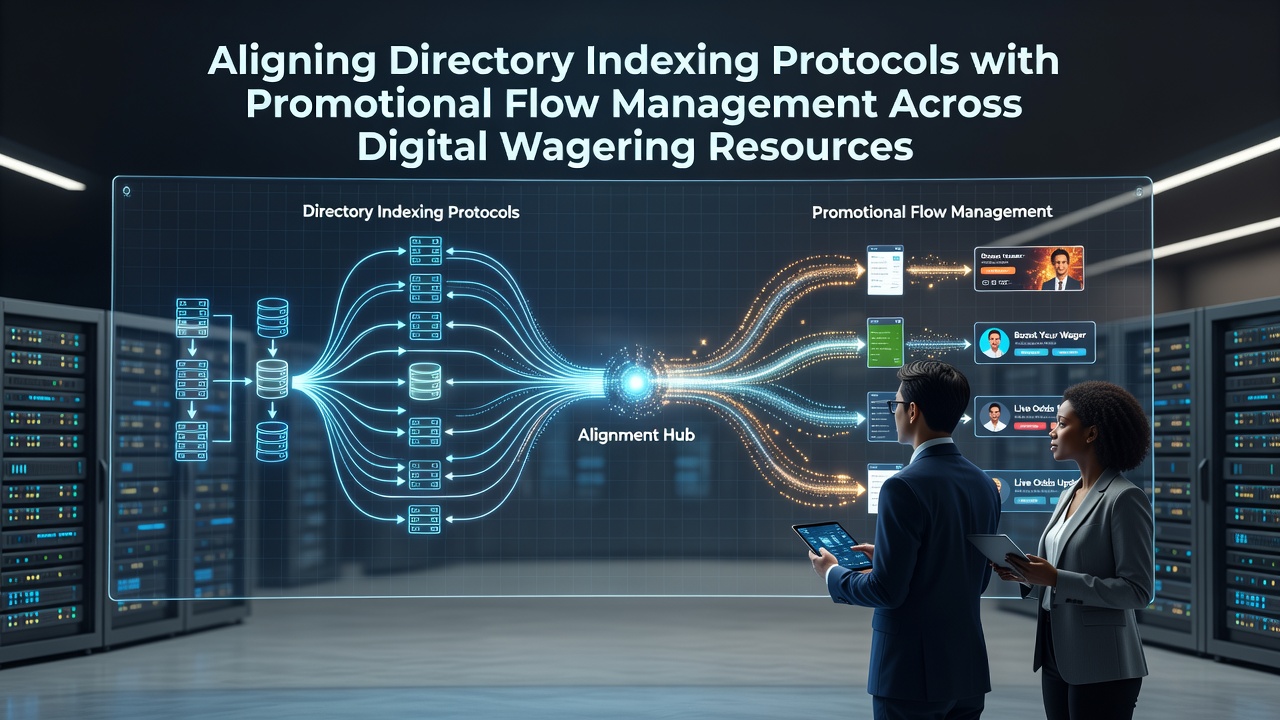
One documented case involved a multi-site network that restructured its taxonomy so that promotional landing pages received dedicated subdirectories, while older review compilations moved behind noindex tags during off-peak periods. The result was improved crawl efficiency and higher ranking stability for current offers. Experts have observed that this method proves especially useful when regulatory updates, such as those released in various jurisdictions during August 2026, require rapid content adjustments without creating indexing conflicts.
Implementation Practices Across Resource Libraries
Teams typically start by auditing existing directory structures to identify paths that host both evergreen strategy content and rotating promotional material, then they create separate indexing rules for each type. Sitemaps receive updates through scripts that pull from the promotional calendar, ensuring new deal pages enter the index promptly while expired entries drop automatically. According to figures from the Western Australia Gambling Commission, operators who maintain this level of coordination report fewer instances of content duplication across their digital libraries.
Additional safeguards include conditional robots directives that respond to date-based triggers, allowing promotional flows to shift without manual intervention on indexing files. Those who've studied large-scale wagering platforms note that combining these automated triggers with regular sitemap submissions accelerates the reflection of changes in search results. The process supports both user navigation and compliance requirements by keeping only current material readily discoverable.
Conclusion
Effective alignment of directory indexing protocols with promotional flow management delivers structured visibility across digital wagering resource libraries while supporting regulatory responsiveness. Operators who implement these coordinated systems maintain clearer content hierarchies and reduce technical friction between deal updates and search engine discovery. Continued attention to these integrations remains essential as promotional calendars and regulatory environments evolve.