Aligning HTTP Status Codes with Progressive Jackpot Accrual Logs Across Multi-Jurisdictional Wagering Directories
Elena Neumann · Aug 21, 2026
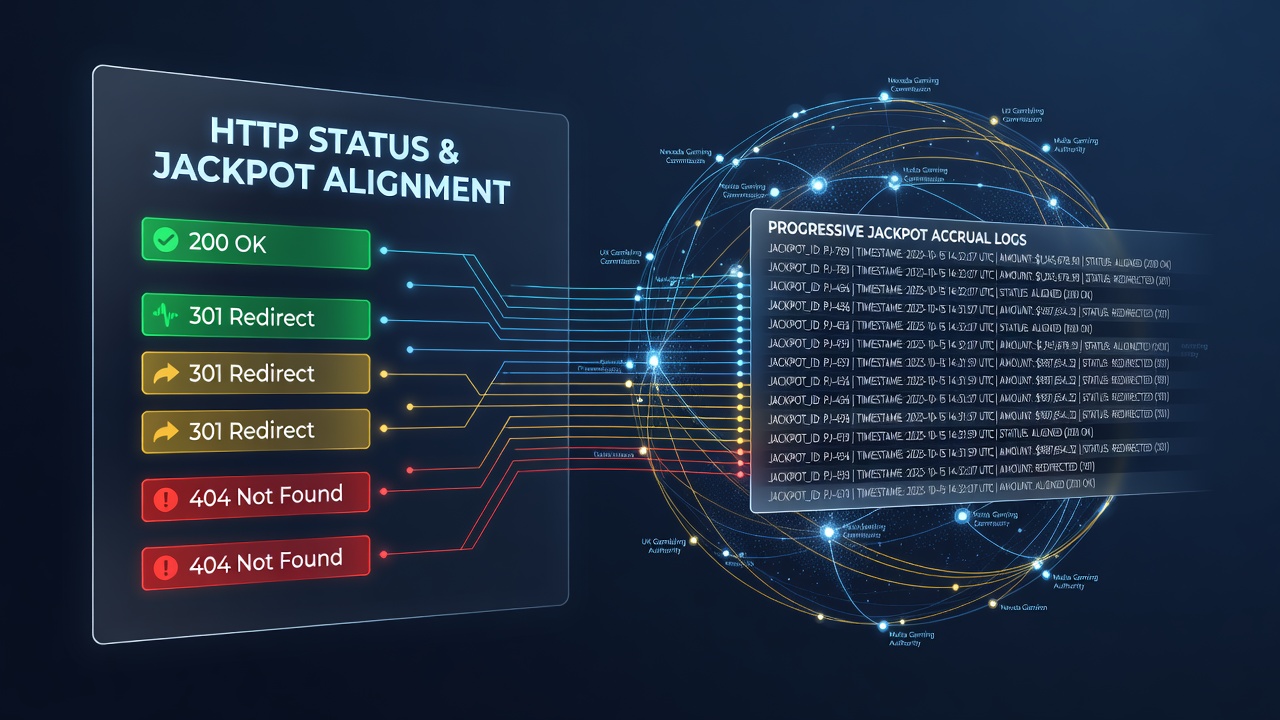
Aligning HTTP Status Codes with Progressive Jackpot Accrual Logs Across Multi-Jurisdictional Wagering Directories
Multi-jurisdictional wagering directories rely on precise coordination between HTTP status codes and progressive jackpot accrual logs to maintain data integrity across borders, and operators face increasing pressure to synchronize these elements as regulatory frameworks evolve in different regions. Systems record every jackpot contribution through structured logs while HTTP responses confirm successful data transmission or flag errors that could disrupt accrual tracking.
HTTP Status Codes in Wagering Infrastructure
Standard HTTP responses such as 200 for successful requests, 404 for unavailable resources, and 500 series errors for server issues play direct roles in how platforms handle jackpot data streams, and alignment ensures that failed transmissions do not create discrepancies in reported totals. Platforms process millions of micro-transactions daily, each generating log entries that must match the status codes returned to connected systems.
Operators integrate these codes into logging protocols so that a 204 No Content response, for instance, signals the completion of an accrual update without additional payload while a 429 Too Many Requests code triggers retry mechanisms that preserve log sequence integrity. Data from regulatory filings shows consistent use of these patterns in systems operating under multiple oversight bodies.
Progressive Jackpot Accrual Logging Mechanics
Accrual logs capture every wager contribution to progressive pools with timestamps, player identifiers, and jurisdictional tags, yet mismatches occur when HTTP status codes indicate partial failures that leave log entries incomplete. Automated reconciliation tools compare returned status codes against log timestamps to identify gaps before they affect payout calculations.
Systems tag each entry with jurisdiction-specific markers because accrual rules differ between markets, and status code alignment helps route corrections through the appropriate compliance channels without manual intervention. One documented workflow routes 503 Service Unavailable responses to dedicated queues that pause further accruals until the underlying service restores connectivity.
Multi-Jurisdictional Coordination Challenges
Different regulatory environments impose distinct requirements on data retention and error reporting, which means HTTP status code handling must adapt to each jurisdiction's logging standards while maintaining a unified accrual view across directories. Platforms operating in both North American and Asian markets, for example, map 401 Unauthorized codes differently depending on whether the request originates from a Nevada-licensed entity or one supervised by Philippine authorities.
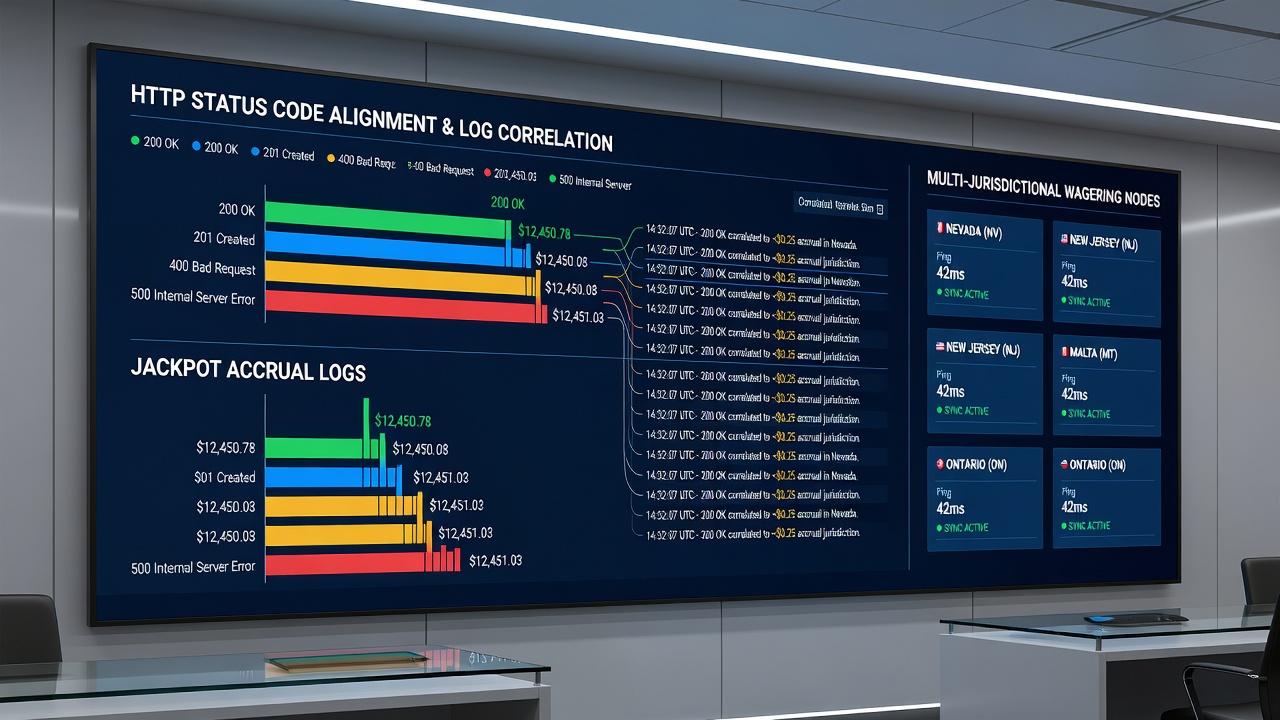
August 2026 saw updated technical guidelines from several oversight bodies that emphasized standardized error code mapping for jackpot systems, and directories began implementing these changes to reduce reconciliation delays between jurisdictions. Reports from the Nevada Gaming Control Board highlight how aligned status codes reduced audit preparation time in multi-state operations during the same period.
Implementation Approaches and Technical Integration
Developers embed status code listeners directly into accrual logging modules so that every jackpot update attempt produces both a log record and a corresponding HTTP response that external monitoring tools can validate. Middleware layers translate jurisdiction-specific requirements into common status mappings, allowing a single platform to serve directories in multiple regions without custom code branches for each market.
Testing protocols simulate network interruptions and record how status codes such as 502 Bad Gateway affect subsequent log entries, and results feed into automated scripts that adjust retry intervals based on historical failure patterns. Industry research from the University of Nevada, Las Vegas gaming studies program demonstrates measurable improvements in data consistency when these alignments receive consistent application across distributed systems.
Regulatory Reporting and Audit Implications
Audit processes examine the correlation between HTTP status codes and jackpot accrual logs to verify that no contributions went unrecorded due to transmission errors, and regulators in various jurisdictions require operators to maintain searchable archives of both elements for specified periods. Platforms that achieve tight alignment reduce the volume of manual queries during compliance reviews because status codes provide immediate context for any log anomalies.
Cross-border directories exchange summary reports that include aggregated status code distributions alongside jackpot totals, and this practice supports regulatory cooperation without exposing individual transaction details. Observers note that consistent mapping practices have become standard in platforms handling traffic from multiple licensing authorities simultaneously.
Conclusion
Effective alignment of HTTP status codes with progressive jackpot accrual logs supports reliable operation of multi-jurisdictional wagering directories by providing clear signals for data integrity and error recovery. As technical standards continue to develop across regions, platforms that maintain synchronized logging and response mechanisms position themselves to meet evolving compliance expectations while preserving accurate jackpot tracking across all connected systems.