Architecting Secure Data Flows Between Game Catalogs and User Navigation Tools in Wagering Resource Centers
Iris Simon · Jul 13, 2026
Architecting Secure Data Flows Between Game Catalogs and User Navigation Tools in Wagering Resource Centers
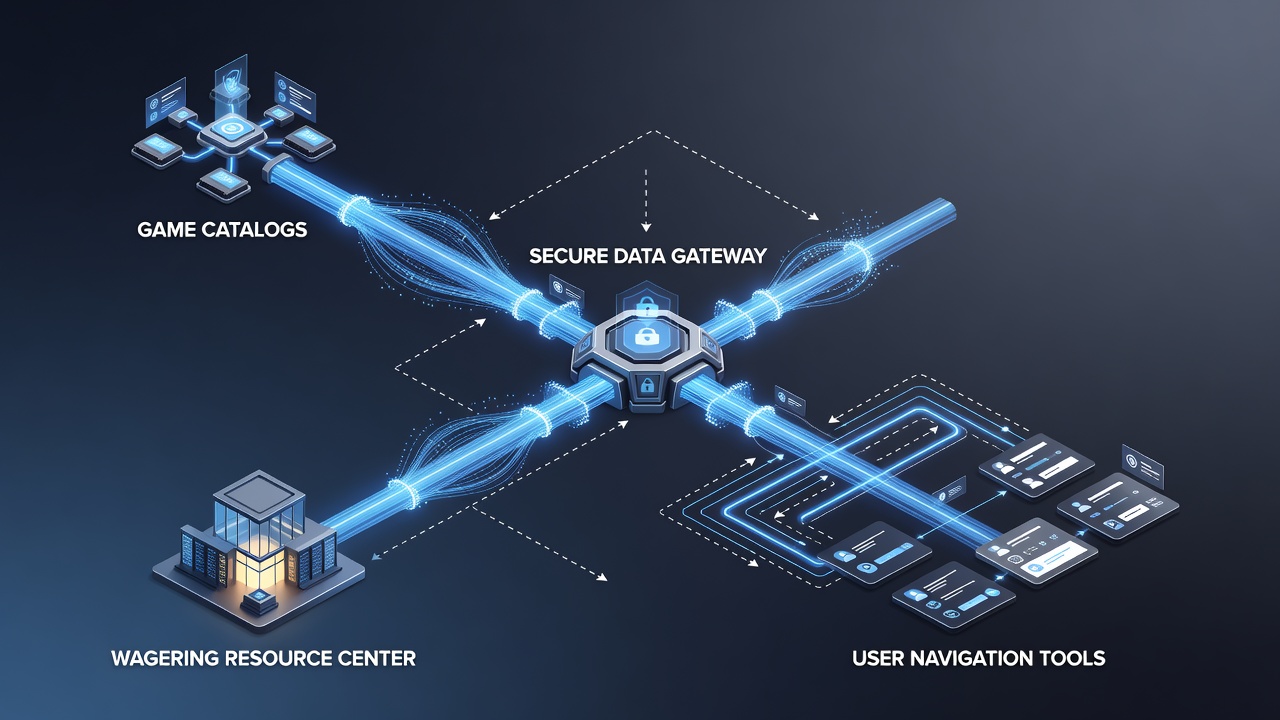
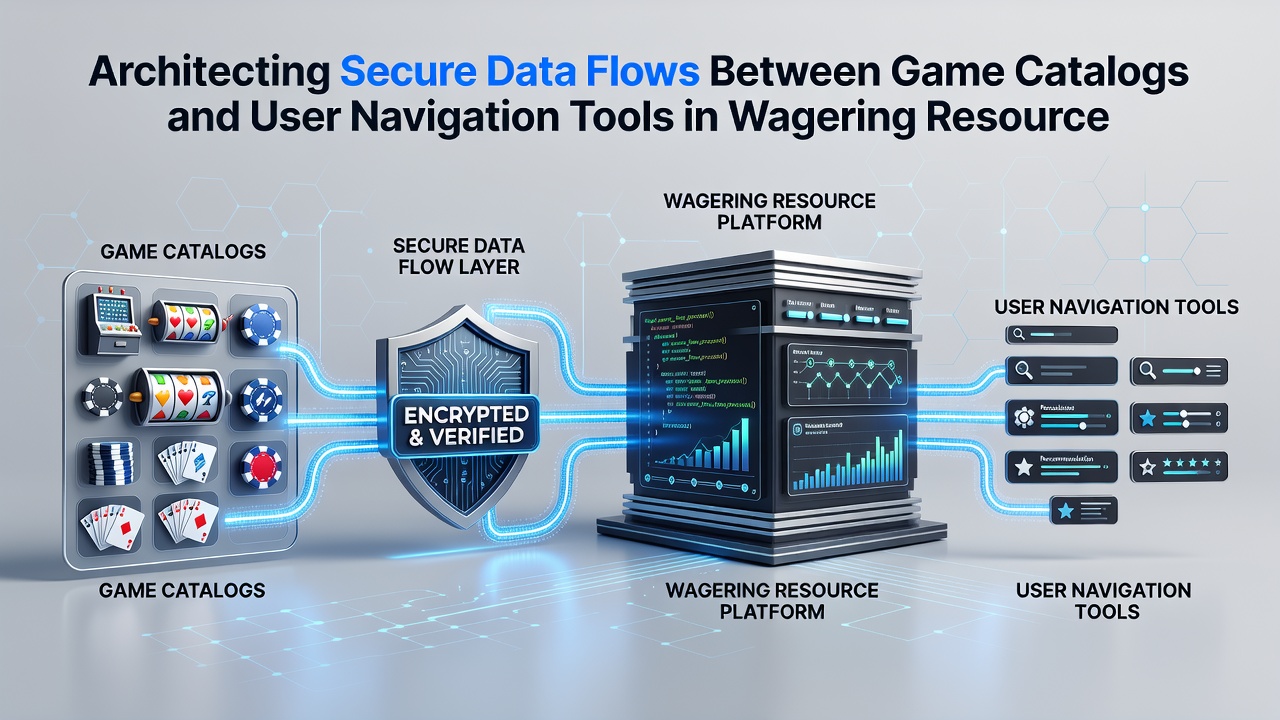
Game catalogs in wagering resource centers store extensive datasets on titles, payout structures, volatility metrics, and regulatory status while user navigation tools handle search queries, category filters, and personalized recommendation engines, and secure data flows between these components require layered protocols that encrypt transmissions, validate requests, and log access events in real time. Architects typically implement API gateways as intermediaries that enforce authentication through token-based systems before any catalog entry reaches a navigation layer, and this setup prevents direct database exposure while allowing controlled queries that respect user permissions and jurisdictional rules.
Core Components of Data Architecture
Centralized game catalogs often rely on relational databases or document stores that organize entries by provider, game type, and compliance flags, and navigation tools pull from these stores through standardized endpoints that return only sanitized subsets of information such as thumbnail images, short descriptions, and current availability indicators. Observers note that separation of concerns becomes critical when multiple regional operators access the same catalog, because each jurisdiction imposes distinct requirements on what data may flow to end users. Researchers have documented cases where fragmented catalog access led to mismatched displays across navigation menus, prompting adoption of unified schema definitions that tag every record with metadata fields for age restrictions, market availability, and audit trails.
Encryption and Transmission Protocols
Data in transit between catalogs and navigation interfaces uses TLS 1.3 as a baseline, supplemented by application-level encryption for sensitive fields like RTP percentages or bonus trigger conditions, and at-rest protection applies AES-256 standards to stored records with key rotation schedules managed through hardware security modules. Industry reports from the European Gaming and Betting Association highlight how organizations coordinate these measures across distributed teams to maintain consistent protection levels, and such coordination reduces the attack surface when navigation tools cache partial results for faster page loads. Those who maintain these systems emphasize regular penetration testing that simulates both external breaches and insider attempts to exfiltrate catalog segments through manipulated navigation queries.
Access Control and Compliance Integration
Role-based access control assigns granular permissions so that navigation components receive read-only tokens scoped to specific game categories, while administrative interfaces alone hold write privileges for updating catalog entries, and these controls integrate directly with regulatory reporting feeds that push compliance updates into the catalog in July 2026 cycles. Data from the Malta Gaming Authority shows operators aligning their flow architectures with new transparency mandates that require real-time visibility into how game information reaches users, and similar frameworks appear in Australian regulatory updates that tie catalog accuracy to licensing renewals. Integration points often include webhook listeners that trigger navigation cache invalidation whenever a compliance flag changes, ensuring outdated entries do not surface in search results or featured sections.
Monitoring and Incident Response
Continuous monitoring platforms track query volumes, response latencies, and anomaly patterns such as sudden spikes in catalog requests from single navigation sessions, and automated alerts route to security teams when thresholds indicate potential enumeration attempts. Organizations frequently adopt centralized logging that correlates events across catalog servers and navigation frontends, creating searchable timelines that support forensic analysis after any detected incident. Studies from academic institutions in Canada have examined how these monitoring layers help operators meet data-breach notification timelines, and the resulting playbooks outline steps for isolating affected data flows without disrupting overall site availability.
Scalability Considerations in Growing Resource Centers
As wagering platforms expand their game libraries, architects introduce sharding strategies that partition catalogs by provider or region so navigation tools query only relevant shards through load-balanced endpoints, and this approach keeps response times stable even when daily active users increase. Container orchestration platforms manage the scaling of both catalog services and navigation microservices, allowing independent updates that avoid downtime during catalog refreshes. Those who oversee large deployments report that versioned APIs prevent breaking changes from propagating to navigation layers, and backward-compatible endpoints let legacy tools continue operating while newer interfaces adopt enhanced security fields.
Conclusion
Effective architectures for secure data flows in wagering resource centers combine encryption standards, strict access controls, and integrated compliance mechanisms to protect game catalogs while supporting responsive navigation experiences, and ongoing refinements adapt to evolving regulatory landscapes and increasing data volumes. Organizations that maintain these systems continue to refine their protocols through testing cycles and cross-regional coordination, ensuring that information moves reliably between storage and user-facing tools without introducing unnecessary exposure points.