Building Interconnected Category Frameworks That Connect Payout Volatility Metrics with Regulatory Announcement Streams in Online Betting Libraries
Ulrich Lehmann · Aug 26, 2026
Building Interconnected Category Frameworks That Connect Payout Volatility Metrics with Regulatory Announcement Streams in Online Betting Libraries
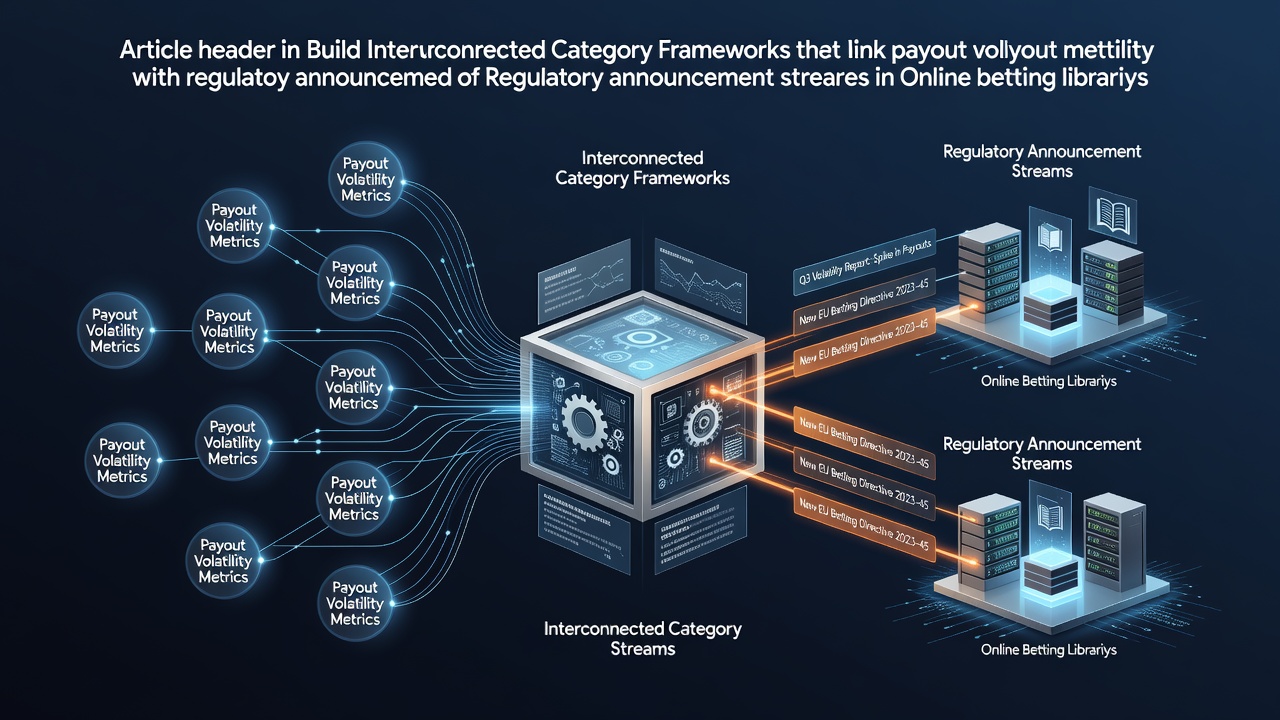
Online betting libraries organize thousands of games through category systems that link payout volatility metrics directly to regulatory announcement streams, and this approach allows platforms to maintain compliance while supporting user navigation across regions. Volatility metrics measure the frequency and size of payouts in games such as slots and table variants, while regulatory streams deliver updates from bodies including the New Jersey Division of Gaming Enforcement and the Australian Communications and Media Authority. Frameworks connect these elements by assigning categories that tag high-volatility titles with specific compliance flags when new rules emerge, and data from industry reports indicate this reduces mismatches between game offerings and jurisdictional requirements.
Defining Payout Volatility Metrics in Betting Contexts
Volatility categories classify games based on payout patterns where low-volatility options deliver frequent smaller returns and high-volatility selections produce less frequent larger wins, and researchers at institutions like the University of Nevada, Reno have documented how these distinctions influence player retention across digital libraries. Platforms apply numerical scales or descriptive labels to games during catalog ingestion, yet integration with external data sources becomes essential when regulators adjust disclosure rules around risk profiles. One study from the Canadian Gaming Association revealed that libraries using standardized volatility tags saw improved search accuracy during periods of regulatory change, and the same analysis noted consistent application across multiple operators in provinces including Ontario and British Columbia.
Regulatory Announcement Streams and Their Role
Regulatory bodies issue announcements covering game approvals, payout reporting standards, and risk disclosure mandates, and these streams arrive through official portals or automated feeds that operators monitor daily. In August 2026 several jurisdictions updated guidelines on volatility labeling for online offerings, which prompted libraries to revise category hierarchies linking game data with compliance records. Frameworks capture these updates by creating relational fields that associate a regulatory notice about enhanced volatility disclosures with all affected game entries, and this method supports automated filtering when new restrictions apply to specific volatility tiers.
Constructing Interconnected Category Frameworks
Developers build these frameworks through layered taxonomies where each game receives tags for volatility level alongside linked regulatory references, and the structure uses relational databases that query both metric values and announcement timestamps simultaneously. Observers note that successful implementations combine internal game analytics with external feeds so that a change in payout reporting rules automatically surfaces relevant titles for review. Platforms in Europe and North America have adopted similar models, and evidence from trade group publications shows reduced audit preparation time when categories align volatility data with the originating regulatory document.
Implementation Steps Across Library Systems
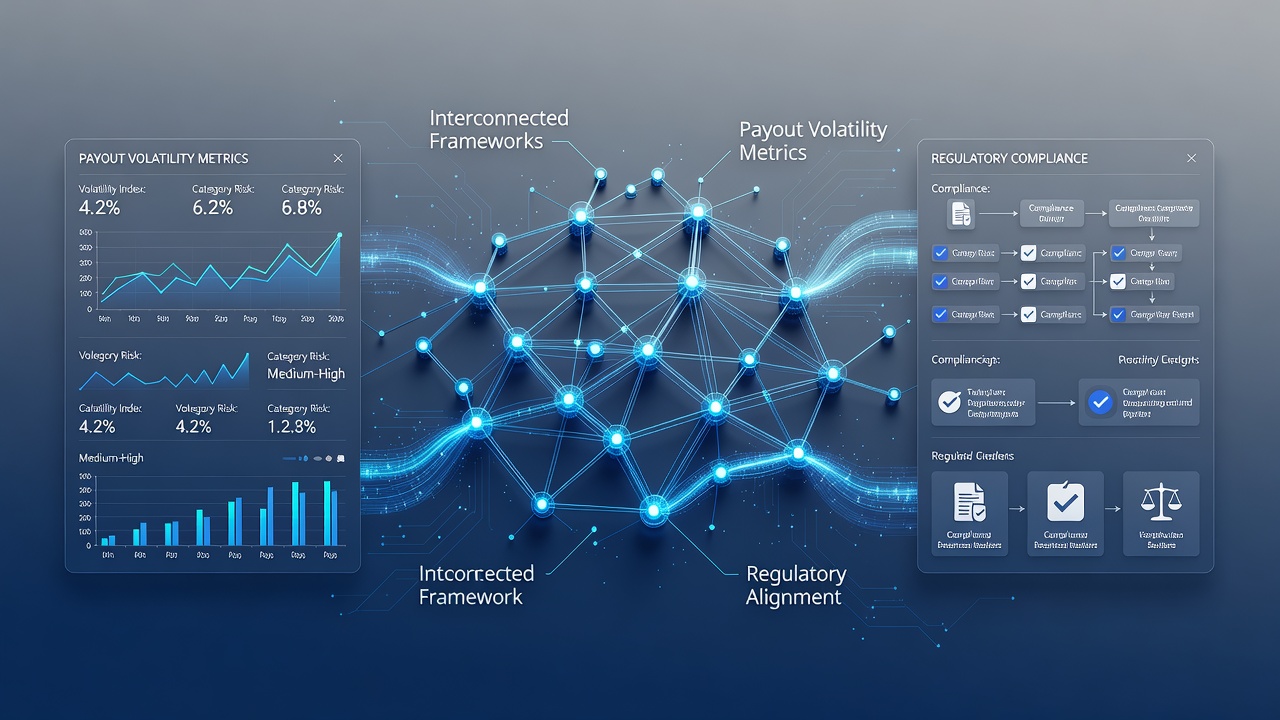
Initial setup requires mapping existing game metadata to volatility standards before establishing connections to regulatory sources, and teams often begin by importing historical announcement archives to test category associations. Subsequent phases involve configuring triggers that update game visibility or add compliance notes when a regulator publishes new volatility guidance, and this process relies on APIs that pull data from multiple jurisdictions without manual intervention each time. Those who manage large libraries report that testing category queries against sample regulatory events helps identify gaps before full deployment, while ongoing maintenance includes periodic reviews of stream accuracy and metric recalibration based on game performance logs.
Geographic Variations in Framework Application
Different regions apply distinct requirements to volatility disclosures, and frameworks accommodate these differences by maintaining jurisdiction-specific subcategories within the same overall structure. Operators serving multiple markets therefore maintain parallel regulatory streams while preserving unified volatility metrics, and reports from the International Association of Gaming Regulators highlight how such designs support cross-border consistency without violating local rules. In practice this means a high-volatility slot might carry additional flags when listed in one market compared with another, and the category system handles these distinctions through conditional display logic tied to user location data.
Benefits Observed in Operational Settings
Libraries that deploy interconnected frameworks demonstrate clearer organization during compliance reviews, and figures from operator surveys indicate faster retrieval of games affected by specific regulatory changes. The approach also supports user-facing features such as filtered searches that incorporate both volatility preferences and current compliance status, and industry analyses suggest these enhancements contribute to sustained engagement across diverse player segments. Data indicates that platforms maintaining these connections experience fewer discrepancies between listed game attributes and regulatory expectations, particularly when announcement volumes increase during legislative sessions.
Conclusion
Interconnected category frameworks provide structured methods for aligning payout volatility metrics with regulatory announcement streams in online betting libraries, and continued refinement of these systems supports compliance across expanding digital markets. Operators continue to adapt taxonomies as new data sources and regulatory requirements emerge, and the resulting architectures maintain organized access to game information while responding to external updates.