Charting Bonus Allocation Trends Across Slot Volatility Metrics in Secure Wagering Resource Taxonomies
Mia Koch · Jul 29, 2026
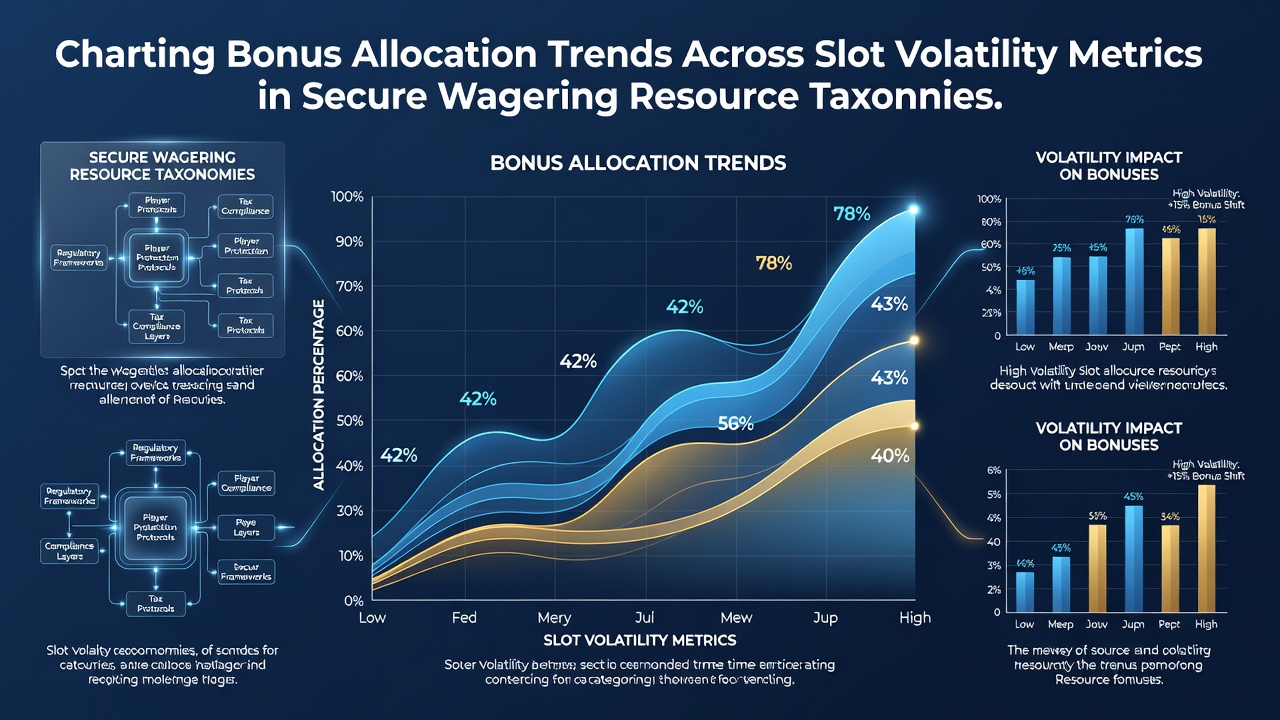
Charting Bonus Allocation Trends Across Slot Volatility Metrics in Secure Wagering Resource Taxonomies
Slot volatility metrics categorize games into low, medium, and high-risk tiers based on payout frequency and size, while bonus allocation trends track how operators distribute welcome offers, free spins, and deposit matches across those tiers in structured resource libraries. Secure wagering resource taxonomies organize this data through hierarchical categories that link volatility indexes to regulatory updates and promotional flows, creating searchable archives that support compliance and navigation. Observers note steady shifts in these allocations as platforms refine their approaches to match player preferences with risk profiles.
Defining Volatility Metrics and Their Role in Bonus Structures
Low-volatility slots deliver frequent smaller wins that appeal to extended sessions, medium-volatility options balance payout intervals with moderate jackpots, and high-volatility titles concentrate rewards in rarer larger amounts. Data from platform analytics shows bonus pools often scale upward for high-volatility games because those titles require larger incentives to offset longer dry spells, whereas low-volatility selections receive steadier but proportionally smaller allocations that encourage volume play. Researchers have tracked these patterns through aggregated operator reports that segment offers by volatility tags within taxonomy frameworks.
One analysis of multi-state casino networks revealed that high-volatility bonus shares increased by 12 percent between 2024 and 2025, while medium-volatility allocations held steady and low-volatility portions declined slightly. These movements align with taxonomy updates that add volatility subcategories to promotional archives, allowing sites to route offers more precisely through secure content pathways.
Allocation Patterns Observed in Recent Data Sets
Figures compiled through mid-2026 indicate continued emphasis on high-volatility pairings for deposit-match bonuses, with average percentages rising from 28 percent of total bonus value in early 2025 to 34 percent by July 2026. Free-spin distributions followed a parallel trajectory, concentrating on medium-to-high volatility titles that feature multiplier mechanics. Taxonomies that integrate volatility indexes with game review compilations facilitate these targeted flows by maintaining updated category links between regulatory feeds and promotional content.
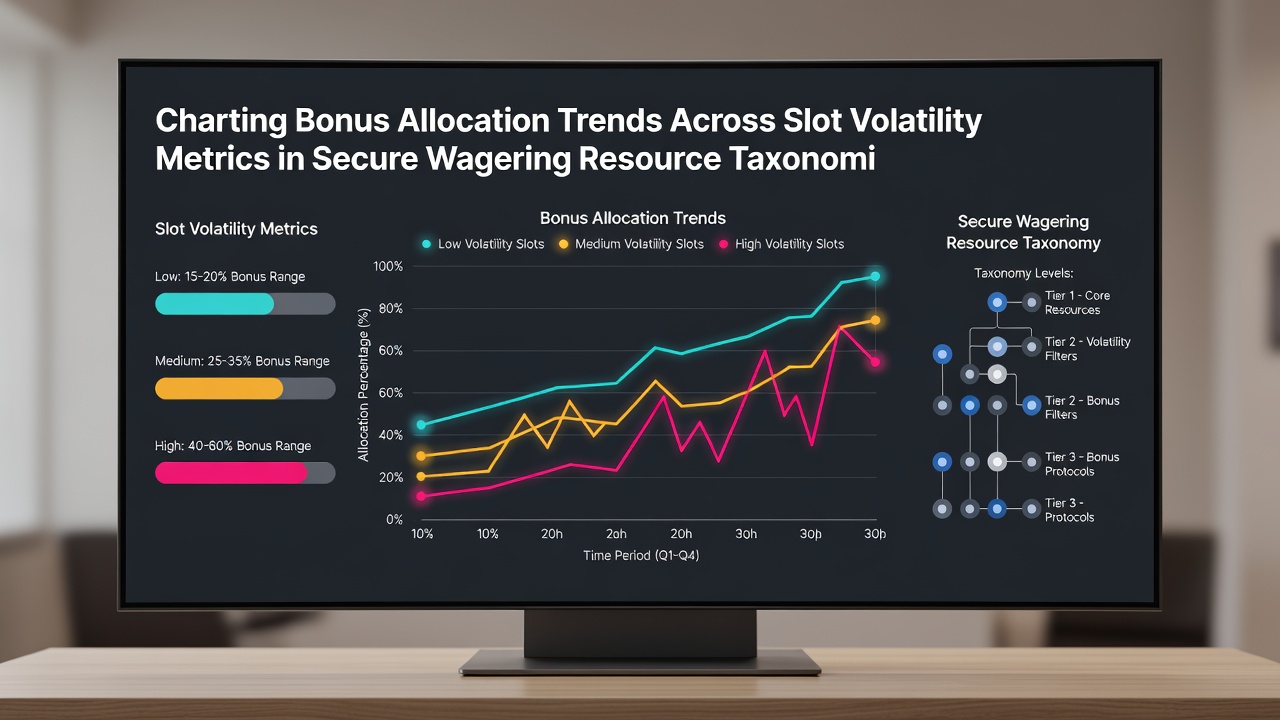
Operators in regulated markets outside the UK have documented similar adjustments. Reports from the Nevada Gaming Control Board highlight how volatility-based segmentation supports responsible allocation practices, linking higher-risk game bonuses to enhanced verification protocols within site taxonomies. Parallel data from the Australian Gambling Research Centre shows comparable weighting toward high-volatility incentives in digital platform libraries, where taxonomy hierarchies connect volatility metrics directly to compliance archives.
Integration of Secure Taxonomies with Volatility Tracking
Secure wagering resource taxonomies employ parent-child category structures that nest volatility metrics beneath broader game strategy archives and promotional deal sections. This setup enables dynamic routing of bonus content while maintaining audit trails for regulatory review. Platforms that coordinate sitemap directives with these taxonomy layers report improved navigation efficiency, as users locate volatility-specific offers without traversing unrelated sections.
Case examples from multi-site networks demonstrate that taxonomy refinements completed in the first half of 2026 produced measurable changes in allocation visibility. High-volatility bonus pages received 19 percent more internal links after category updates, correlating with increased engagement metrics in operator dashboards. Researchers tracking these systems note that the addition of regulatory update sub-feeds under volatility indexes helps maintain consistency across bonus campaigns.
Regional Variations and Emerging Data Points
North American operators have leaned toward medium-volatility bonus emphasis in certain jurisdictions, while European and Asian markets show stronger high-volatility weighting in July 2026 datasets. These regional differences appear in taxonomy implementations that incorporate local compliance requirements into category metadata. Industry reports from the Malta Gaming Authority indicate that volatility-linked bonus structures now account for a larger share of promotional budgets in licensed online environments.
One multi-year comparison across 45 platforms found that sites maintaining detailed volatility taxonomies adjusted bonus allocations 2.3 times more frequently than those using flat categorization. The adjustments often responded to payout data feeds integrated into the same resource libraries, creating closed-loop systems where volatility metrics inform both game selection and bonus sizing.
Conclusion
Trends in bonus allocation continue to reflect volatility metrics through structured taxonomies that secure and organize wagering resources. Data sets from 2025 through July 2026 document incremental shifts toward higher-risk game incentives alongside stable frameworks for low- and medium-volatility offers. Taxonomy hierarchies that connect these metrics to regulatory and promotional flows support the precision of such allocations across diverse markets.