Connecting Player Reward Catalogs to Structured Data Protocols in Virtual Betting Resource Centers
Elena Neumann · Jul 29, 2026
Connecting Player Reward Catalogs to Structured Data Protocols in Virtual Betting Resource Centers
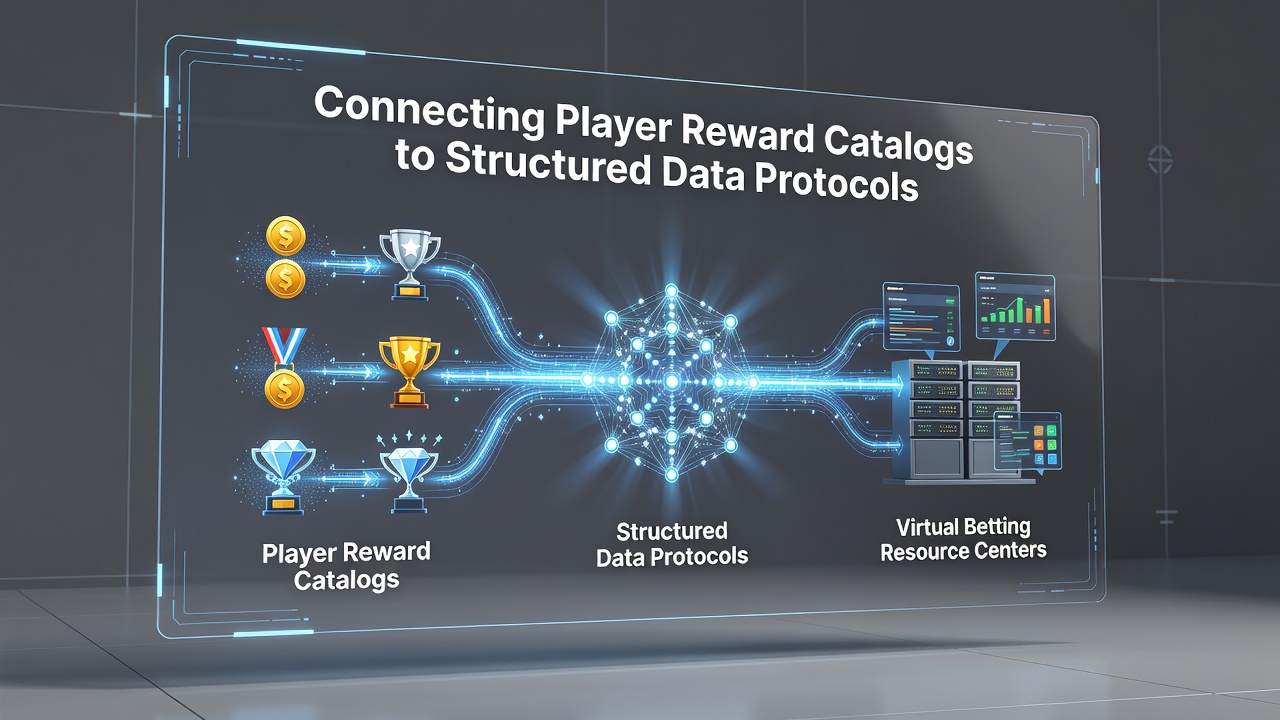
Virtual betting resource centers rely on precise connections between player reward catalogs and structured data protocols to manage promotions, loyalty tiers, and redemption options across multiple platforms. These connections allow systems to exchange information about bonuses, points balances, and eligibility rules without manual intervention, while data formats such as JSON-LD and schema.org markup provide the standardized vocabulary that search engines and internal databases both recognize.
Core Components of Reward Catalogs in Betting Hubs
Player reward catalogs store details on cashback offers, free bet credits, and tiered loyalty benefits, and operators organize this information into databases that update in real time as users complete wagers or reach milestones. Resource centers then pull from these catalogs to display personalized offers, yet the process requires consistent data fields so that one system can interpret rewards created in another without translation errors or missing attributes.
Structured Data Protocols and Their Role
Structured data protocols define how reward attributes such as expiration dates, minimum deposit requirements, and game restrictions appear in machine-readable form. Observers note that protocols built on RDF and OWL allow catalogs to link rewards to specific user segments, while API endpoints enforce validation rules that prevent incompatible offers from appearing in live feeds. Research from the University of Nevada, Las Vegas gaming studies shows that sites adopting these protocols reduced manual reconciliation tasks by measurable margins during 2025 testing cycles.
Integration Patterns Observed in July 2026 Deployments
By July 2026 several large resource centers had begun mapping reward catalog entries directly to schema markup that includes properties for "eligiblePlayerType" and "redemptionWindow." This mapping lets external aggregators pull accurate promotion data without scraping HTML pages, and it supports compliance checks against regional rules on bonus advertising. Data from the Malta Gaming Authority indicates that operators using these mappings reported fewer discrepancies in reported promotional spend compared with earlier unstructured approaches.
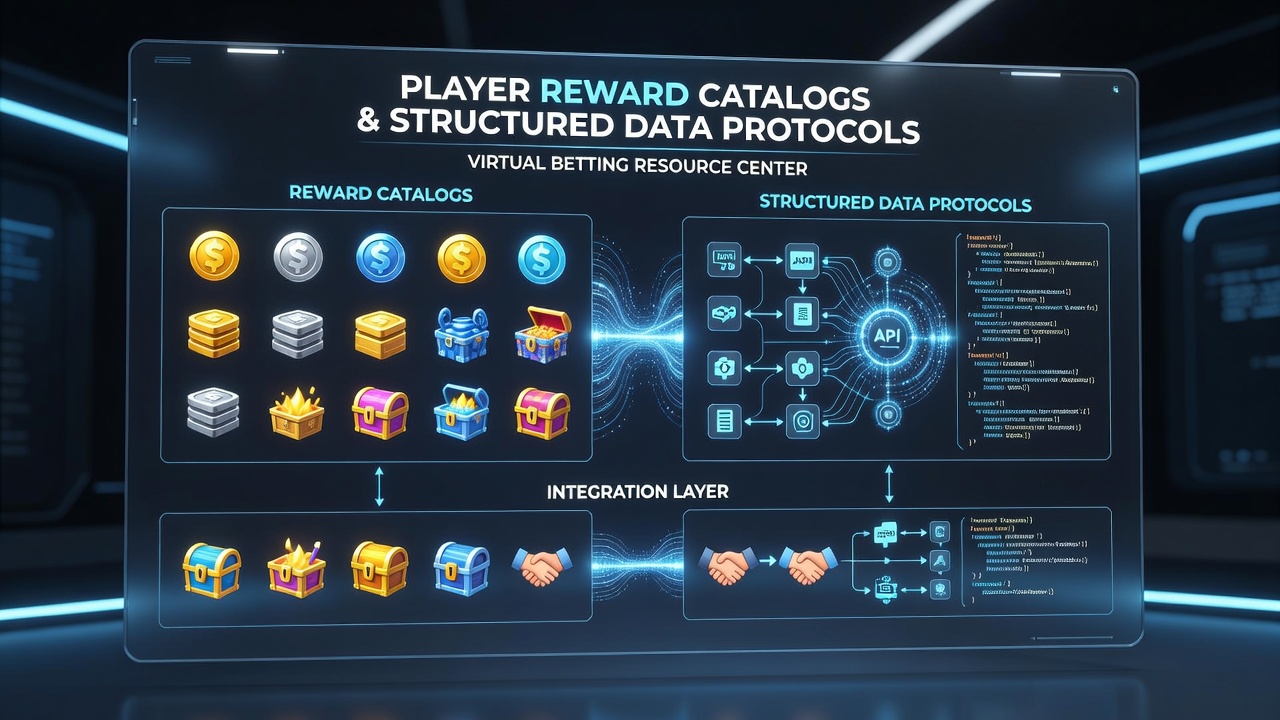
One integration pattern uses event-driven updates where a catalog change triggers a webhook that refreshes the structured data file served to the resource center. Another pattern relies on scheduled ETL jobs that batch-process reward records into RDF triples, allowing queries across multiple catalogs at once. Both approaches require strict version control so that historical redemptions remain traceable when regulators request audit trails.
Data Governance and Security Considerations
Connecting catalogs to protocols also raises questions of access control and encryption. Resource centers implement role-based permissions that restrict which teams can alter reward parameters, while TLS 1.3 protects data in transit between catalog servers and front-end displays. Industry reports from the European Gaming and Betting Association highlight that centers adopting end-to-end encryption alongside structured schemas experienced fewer incidents of offer leakage during cross-platform promotions.
Case Examples from Operational Sites
Take one North American operator that linked its tiered loyalty catalog to schema markup for "loyaltyProgram" and "rewardTier." The change allowed the site’s resource center to surface accurate point multipliers for table games without separate content updates, and the same structured feed fed into an external comparison tool used by players. Another example involves a European platform that synchronized free-spin catalogs with regulatory update feeds, ensuring that any jurisdiction-specific restrictions appeared automatically in the structured data served to users.
Challenges in Scaling These Connections
Scaling introduces difficulties around catalog size and protocol evolution. As reward offerings multiply, the volume of structured records grows, which can strain query performance unless indexing strategies keep pace. Protocol updates from standards bodies also require catalog maintainers to revise field mappings, and failure to synchronize these revisions can produce incomplete or conflicting reward displays in the resource center.
Conclusion
Operators continue to refine how player reward catalogs connect to structured data protocols because accurate, machine-readable reward information improves navigation inside virtual betting resource centers. Ongoing work focuses on tighter integration with compliance feeds and real-time validation, yet the underlying requirement remains consistent: catalogs and protocols must speak the same language so that players receive reliable details about available benefits.