Exploring Taxonomy Refinements for Connecting Risk Metrics with Oversight Bulletins in Speculation Platforms
Elena Neumann · Aug 5, 2026
Exploring Taxonomy Refinements for Connecting Risk Metrics with Oversight Bulletins in Speculation Platforms
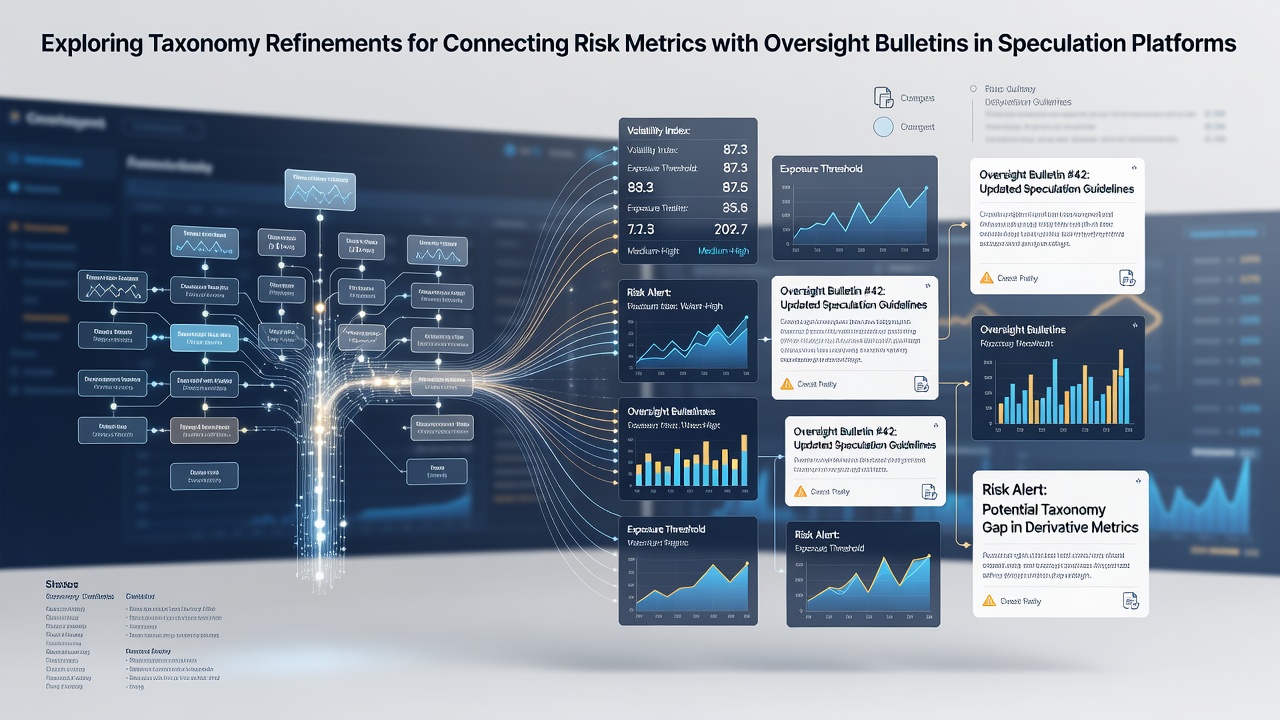
Speculation platforms rely on structured taxonomies to organize vast amounts of data, and recent refinements have focused on bridging risk metrics with oversight bulletins from regulatory bodies. These adjustments allow platforms to align volatility indexes, exposure calculations, and probability assessments directly with updates issued by authorities in multiple jurisdictions. Research indicates that such connections improve compliance tracking while reducing manual reconciliation efforts across departments.
Core Elements of Taxonomy Structures in Speculation Platforms
Taxonomy systems in these environments categorize content into hierarchical layers that include asset types, market conditions, and compliance flags. Observers note that refinements often involve adding new subcategories for real-time risk indicators, such as drawdown thresholds and liquidity ratios, so they map cleanly to specific bulletin entries. Data from industry reports shows platforms adopting these layered approaches saw faster integration of regulatory changes during the first half of 2026.
One study revealed that standardized tagging for risk metrics enables automated alerts when oversight bulletins reference similar volatility patterns. This setup connects numerical thresholds in risk models with textual directives from agencies, creating searchable pathways that staff and algorithms both use. Experts have observed platforms in North America and Asia implementing these links to handle cross-border reporting requirements more efficiently.
Linking Risk Metrics to Regulatory Updates
Risk metrics encompass measures like value-at-risk figures, beta coefficients, and scenario-based loss projections that platforms calculate daily. Oversight bulletins, issued periodically by bodies such as the Nevada Gaming Control Board and the Malta Gaming Authority, detail rule adjustments, enforcement actions, and market conduct expectations. Refinements in taxonomy create direct associations between these two data streams so a bulletin about margin requirements triggers updates in linked risk dashboards.
According to figures from regulatory filings, platforms that refined their taxonomies in early 2026 reduced the time between bulletin release and internal policy adjustment by approximately 30 percent. This occurs because each bulletin receives metadata tags that correspond to existing risk categories, allowing queries to surface relevant metrics without separate database searches. Those who've studied platform operations note this method supports both human reviewers and automated compliance tools.
Implementation Approaches Across Regions
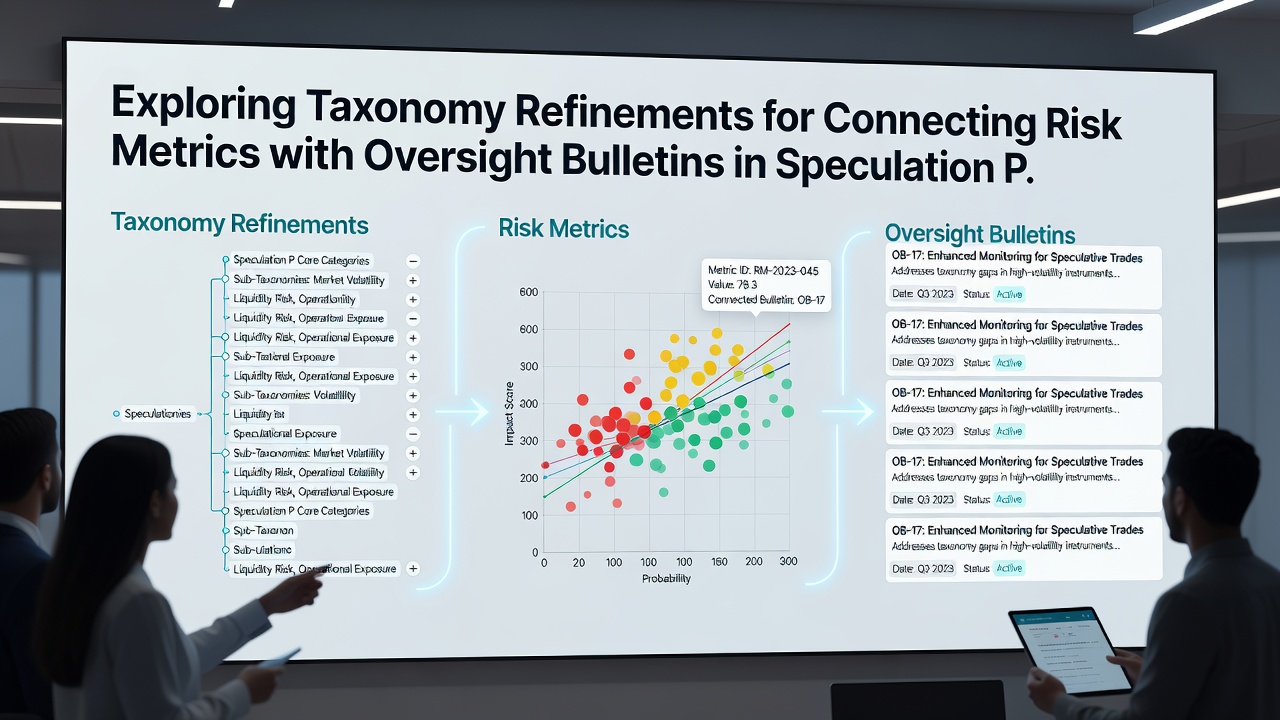
Platforms operating in multiple markets have tested taxonomy refinements that incorporate jurisdiction-specific tags alongside global risk standards. In August 2026, several operators updated their systems to reflect new reporting formats introduced by the Pennsylvania Gaming Control Board, which required explicit connections between exposure metrics and oversight notices on responsible gaming limits. These changes involved expanding category trees to include fields for bulletin reference numbers and effective dates.
Industry associations report that similar adjustments in Australian and Canadian markets focused on aligning probability distribution models with bulletins addressing market integrity. The process typically starts with mapping existing risk vocabularies to regulatory language, then testing the connections through sample queries. Research indicates platforms that conducted pilot programs before full rollout encountered fewer data mismatches during live operations.
Technical Considerations for Sustained Integration
Maintaining these refined taxonomies requires ongoing validation protocols that check for consistency between risk metric definitions and bulletin interpretations. Platforms often employ version control for taxonomy schemas, logging every addition or modification so historical alignments remain traceable. Data shows that organizations using centralized repositories for both risk data and regulatory feeds experience smoother updates when new oversight documents appear.
One case involved a multi-jurisdictional operator that linked scenario analysis outputs to bulletins concerning liquidity stress testing. The taxonomy refinement allowed the system to flag any metric exceeding thresholds mentioned in the latest regulatory notice, triggering review workflows automatically. Observers note that such automation depends on precise semantic mapping during the initial taxonomy design phase.
Conclusion
Taxonomy refinements that connect risk metrics with oversight bulletins continue to shape how speculation platforms manage compliance and operational data. By establishing clear linkages between quantitative risk indicators and regulatory directives, platforms achieve more coherent information flows across departments and jurisdictions. Evidence from 2026 implementations demonstrates measurable gains in response times and data accuracy when these connections receive systematic attention.