Mapping content hierarchies to link promotional incentives with regulatory compliance logs in digital gambling portals
Elena Neumann · Aug 12, 2026
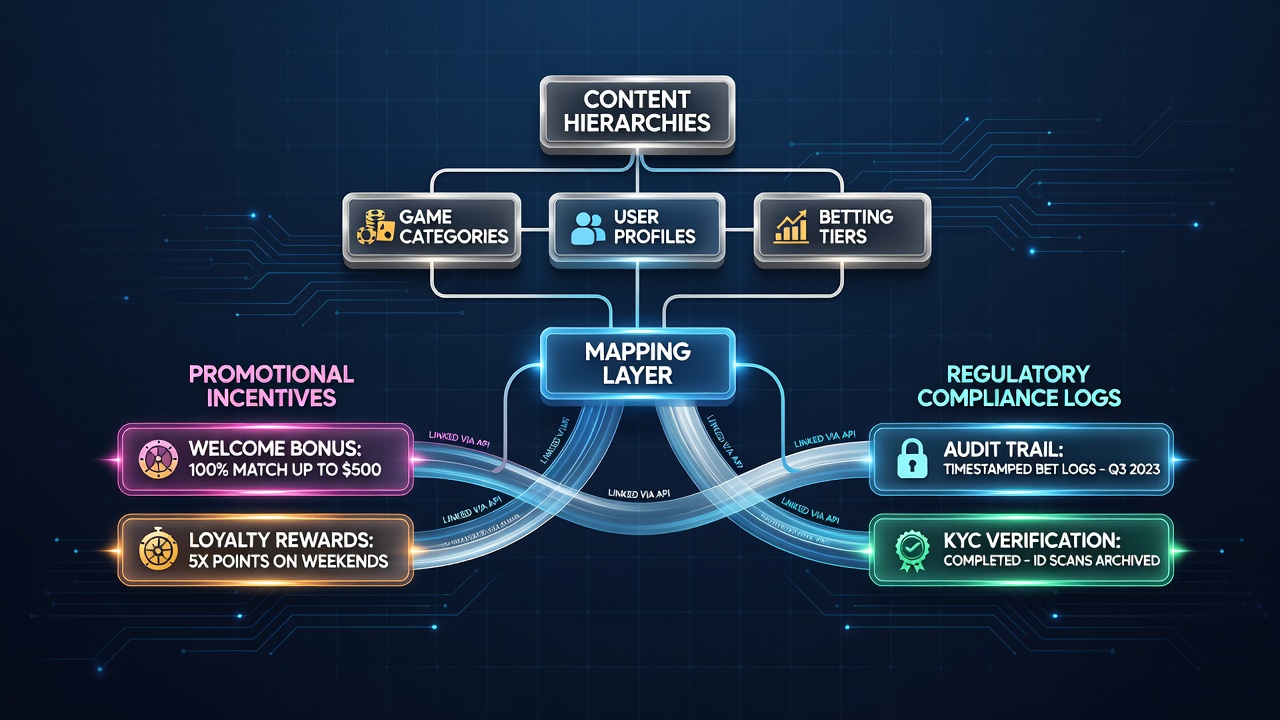
Mapping content hierarchies to link promotional incentives with regulatory compliance logs in digital gambling portals
Digital gambling portals organize vast amounts of content through structured hierarchies that connect promotional incentives directly to regulatory compliance logs, and this process relies on taxonomy systems, metadata tagging, and automated tracking mechanisms that align bonus offers with jurisdiction-specific rules. Operators deploy these frameworks to maintain records of every incentive while satisfying reporting requirements from multiple oversight bodies.
Understanding Content Hierarchies in Gambling Portals
Content hierarchies in these platforms typically start with top-level categories such as game types, player segments, and promotional tiers, then drill down into subcategories that include bonus structures, eligibility criteria, and audit trails. Researchers at institutions studying digital wagering systems have noted that effective mapping assigns unique identifiers to each promotional element so that compliance logs capture details like wager requirements, expiration dates, and geographic restrictions in real time. Data from regulatory filings shows portals handling thousands of daily transactions must synchronize these hierarchies with backend databases to avoid discrepancies during audits.
Take one operator who integrated a custom taxonomy that links welcome bonuses to state-level reporting modules; the setup allowed automatic flagging of any incentive that exceeded allowable thresholds under current statutes. This approach reduced manual review time while preserving complete logs that regulators could access on demand.
Connecting Promotional Incentives to Compliance Requirements
Promotional incentives such as deposit matches, free spins, and loyalty rewards generate extensive data points that compliance systems must archive for periods ranging from three to seven years depending on the jurisdiction. Mapping these incentives to logs involves tagging each offer with metadata that references specific regulatory clauses, and portals achieve this through plugins or custom scripts that push updates into centralized compliance repositories. Figures from industry reports indicate that portals using integrated hierarchies experience fewer instances of mismatched records during periodic reviews by authorities.
What's significant is how these systems handle cross-border players, because an incentive available in one region may trigger different logging rules elsewhere. Portals therefore maintain parallel hierarchies that route the same promotional content through distinct compliance pathways based on user location data.
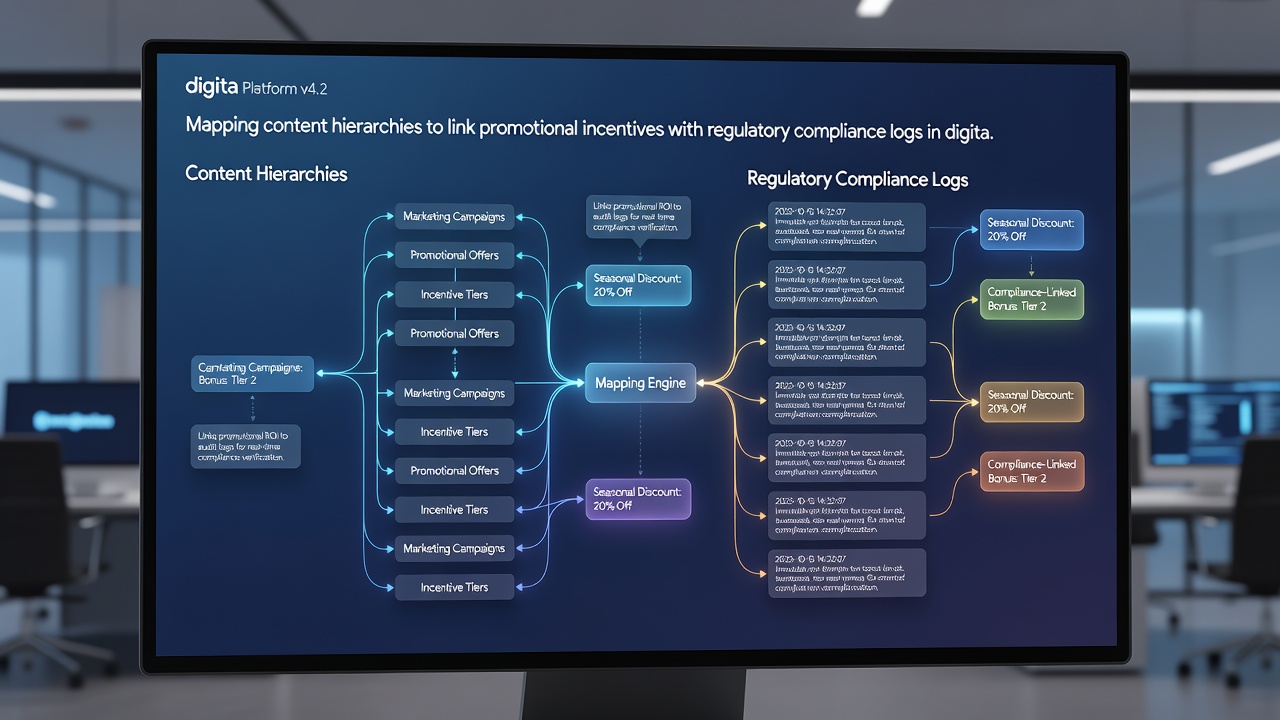
Implementation Practices Across Jurisdictions
Implementation varies by region yet follows similar technical patterns. In Pennsylvania, the Gaming Control Board requires detailed incentive tracking that portals satisfy by mapping bonus codes to immutable log entries; similar protocols appear in Maryland where the Maryland Lottery and Gaming Control Agency oversees comparable record-keeping standards. Observers note that Australian operators coordinate with state regulators through comparable taxonomy structures that capture promotional flows alongside responsible gambling disclosures.
One study of digital platform architectures revealed that portals employing graph-based hierarchies rather than flat lists achieved faster query responses when retrieving compliance data tied to specific promotional campaigns. The same research highlighted how these mappings support real-time updates, allowing operators to adjust incentive parameters without breaking existing log chains.
Technical Tools and Workflow Integration
Technical tools supporting this mapping include content management plugins that enforce hierarchical rules, API connections between front-end promotion displays and back-end logging systems, and scheduled synchronization tasks that verify data integrity across environments. Portals often schedule these tasks during low-traffic windows in August 2026 to align with anticipated regulatory data submissions. Integration with player management systems further ensures that eligibility checks performed at the point of offer delivery feed directly into compliance records without additional steps.
Those who've examined large-scale deployments report that combining sitemap directives with compliance metadata produces navigation paths that remain consistent even as promotional catalogs expand. This consistency helps regulatory reviewers locate required documentation quickly during unannounced inspections.
Conclusion
Mapping content hierarchies to link promotional incentives with regulatory compliance logs forms a core operational layer in digital gambling portals, and the practice continues to evolve alongside new reporting mandates from oversight agencies in multiple regions. Portals that maintain precise connections between these elements demonstrate stronger alignment with audit expectations while supporting complex promotional strategies across diverse player bases.