Mapping Endpoint Safeguards with Content Categorization Systems for Interactive Betting Information Hubs
Elena Berger · Jun 17, 2026
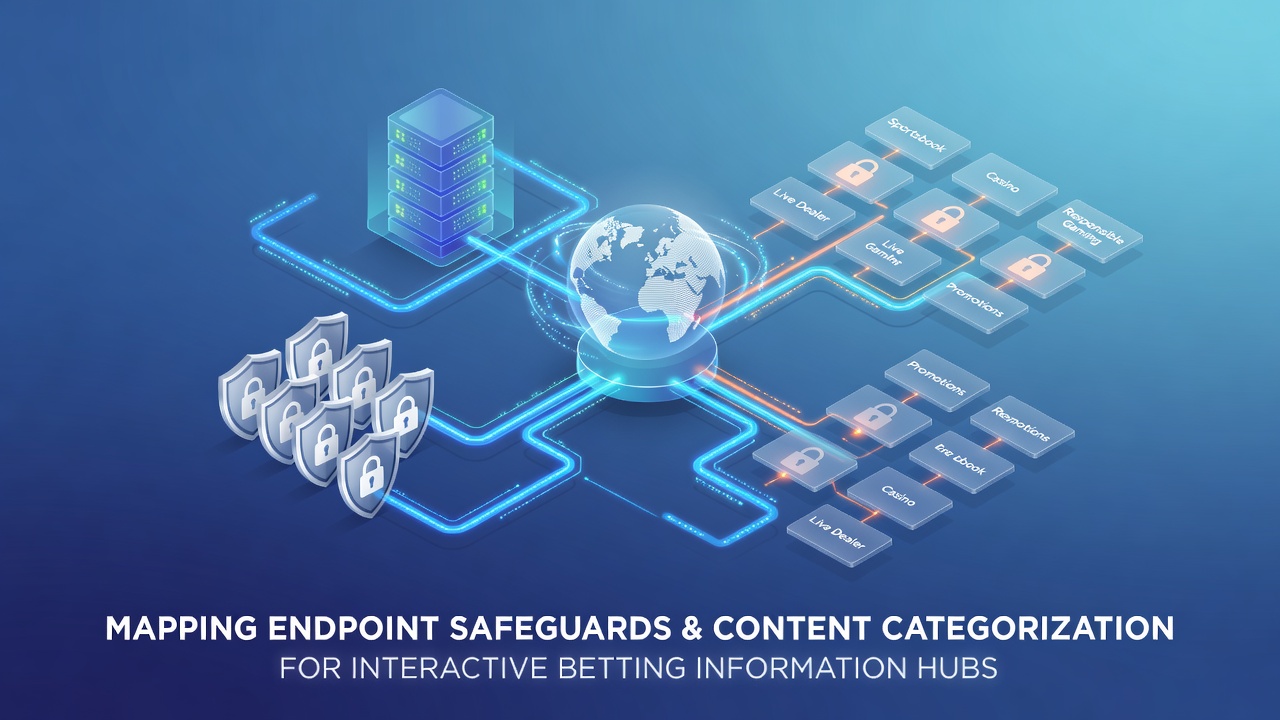
Mapping Endpoint Safeguards with Content Categorization Systems for Interactive Betting Information Hubs
Interactive betting information hubs rely on secure endpoints to manage data flows between users, operators, and third-party services, while content categorization systems classify everything from live odds to user profiles and promotional materials. Mapping these safeguards together creates layered defenses that address both access control and information sensitivity in one coordinated framework. Operators who align endpoint protocols with categorization taxonomies reduce exposure points across their platforms, especially as real-time data exchanges intensify during peak betting periods.
Defining Endpoint Structures in Betting Environments
Endpoints serve as the gateways where applications, mobile interfaces, and backend databases exchange information in betting hubs, handling requests for odds updates, account verifications, and transaction processing. Each endpoint carries specific risk profiles depending on the data it transmits, which makes uniform protection insufficient for platforms that deal with varying levels of sensitive content. Researchers at institutions focused on digital security have documented how unclassified endpoints often become entry points for unauthorized queries when categorization does not precede access rules.
Systems that label content at the point of ingestion allow operators to apply differentiated controls, such as rate limiting on high-volatility data streams or encryption tiers matched to regulatory classifications. This approach proves particularly relevant in jurisdictions where data residency requirements differ by content type, forcing platforms to route certain categories through approved regional nodes only.
Content Categorization as a Foundational Layer
Content categorization assigns metadata tags to betting-related assets, distinguishing between public game rules, restricted user financial records, and promotional offers subject to advertising standards. Automated tools scan text, images, and structured data feeds to apply these labels consistently, reducing manual oversight errors that previously allowed misclassified items to reach unsecured endpoints. Studies from European gaming research groups indicate that platforms adopting standardized taxonomies experience fewer compliance incidents tied to data mishandling.
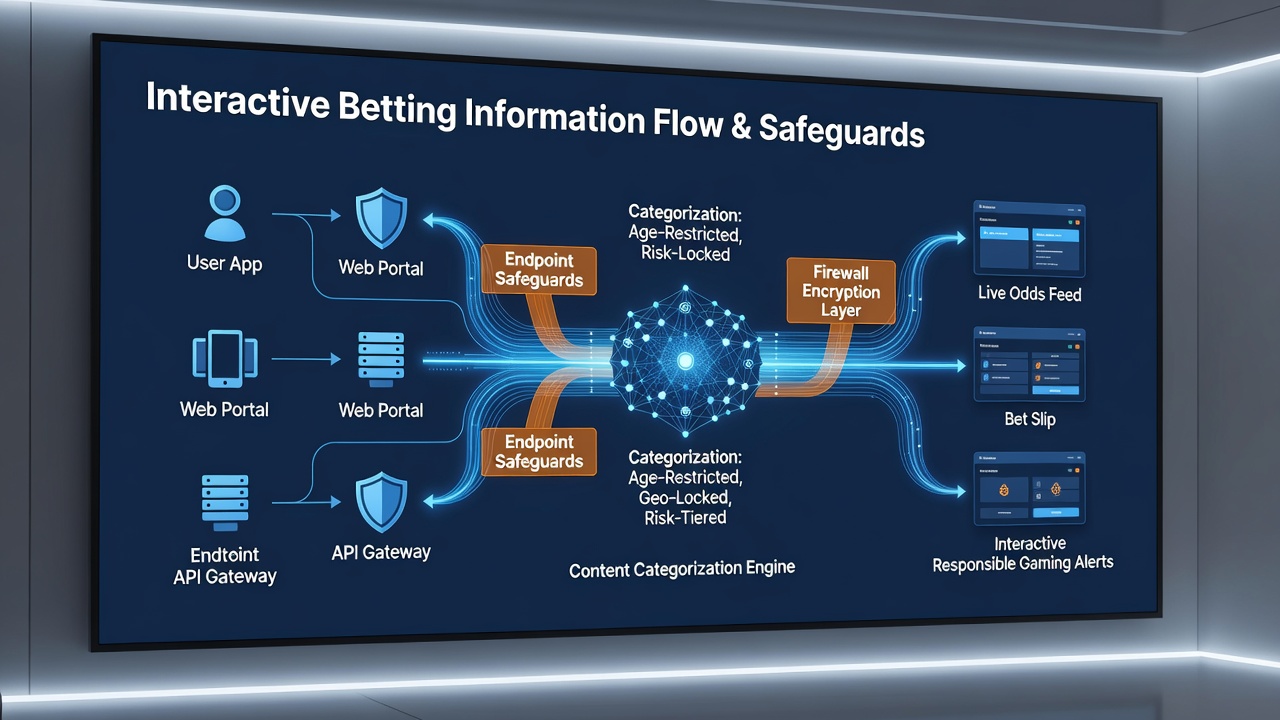
Once categorized, information travels through mapped pathways where endpoint safeguards reference those same labels to enforce policies automatically. For instance, endpoints serving live betting feeds receive stricter authentication when the system flags the content as time-sensitive and financially material, whereas static help articles pass through lighter verification layers.
Integration Techniques Across Platforms
Mapping proceeds through configuration files that link each endpoint identifier to a set of content categories and corresponding safeguard rules, creating decision trees executed at runtime. Developers implement these mappings using middleware that queries the categorization database before granting or denying requests, which keeps policy updates centralized even as new game types or data sources appear. Observers note that this method supports rapid adjustments when regulatory bodies issue fresh guidelines, such as those anticipated in several North American markets around mid-2026.
Case examples from operators in Australia show successful deployment where endpoints tied to responsible gambling resources receive priority categorization for accessibility, while endpoints handling high-stakes wager histories trigger additional verification steps. The same frameworks accommodate multi-jurisdictional operations by allowing category-specific routing rules that respect local data protection statutes without rebuilding entire endpoint architectures.
Regulatory and Operational Context in 2026
June 2026 marks a period when several oversight agencies plan to release updated reporting templates that emphasize endpoint logging alongside content classification audits. Platforms already maintaining mapped systems can generate the required datasets with minimal additional development, satisfying expectations from bodies such as state-level commissions in the United States and provincial regulators in Canada. Industry associations have published guidance documents outlining minimum mapping standards that help operators demonstrate due diligence during licensing renewals.
Data from aggregated platform reports reveal measurable declines in incident response times once categorization precedes endpoint access decisions, because security teams identify affected content categories immediately rather than tracing every request individually. These efficiencies matter most during events that generate sudden traffic spikes, when endpoints must distinguish legitimate user queries from potential scraping attempts without disrupting service continuity.
Conclusion
Effective mapping between endpoint safeguards and content categorization systems equips interactive betting information hubs with adaptive defenses that scale alongside evolving data landscapes. Operators gain clearer visibility into risk exposure while meeting documentation demands from diverse regulatory environments. As platforms expand their real-time offerings, the continued refinement of these integrated controls supports both operational resilience adn compliance consistency across regions.