Mapping Volatility Metrics to Custom Archive Taxonomies for Streamlined Access Across Gambling Strategy Collections and Promotional Listings
Ulrich Lehmann · Jul 20, 2026
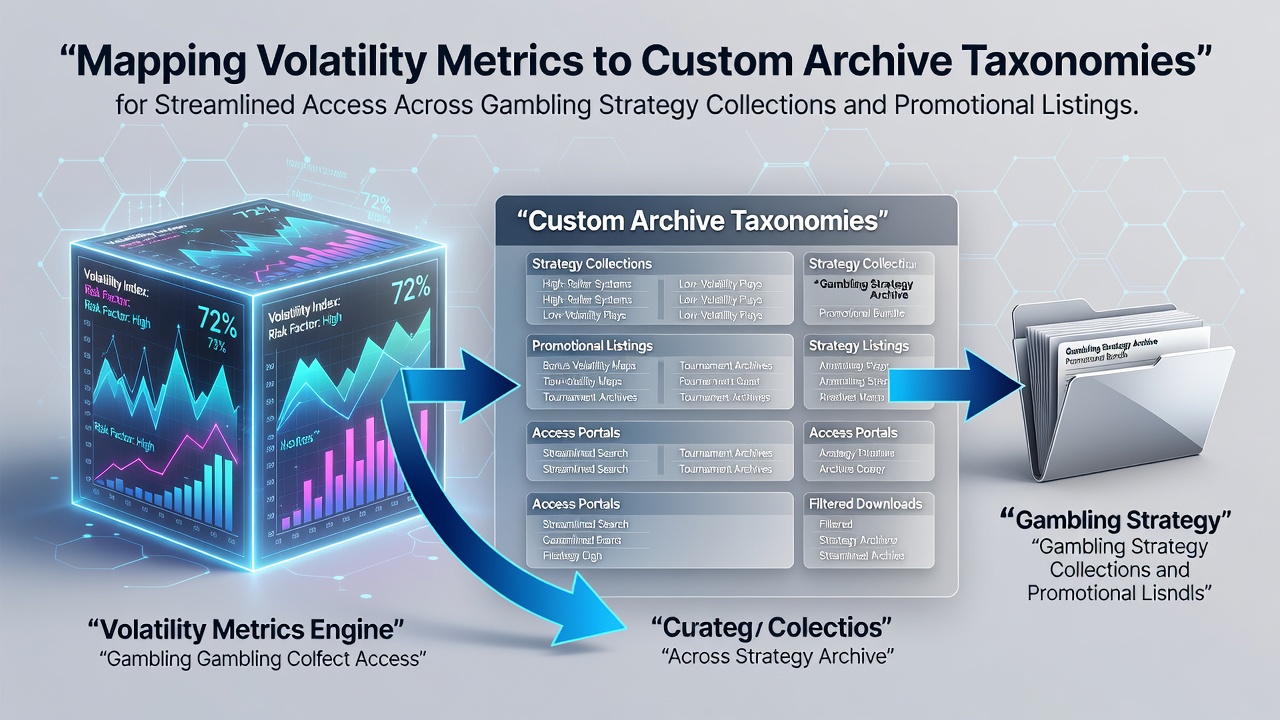
Mapping Volatility Metrics to Custom Archive Taxonomies for Streamlined Access Across Gambling Strategy Collections and Promotional Listings
Volatility metrics in gambling refer to the frequency and size of payouts across game types, with high-volatility titles producing infrequent but substantial returns while low-volatility options deliver steadier smaller wins. Custom archive taxonomies organize these metrics into hierarchical categories that connect directly to strategy collections and promotional listings on digital wagering platforms. This mapping process creates structured pathways for users seeking targeted content without manual searching through unrelated materials.
Core Components of Volatility Classification
Data from multiple gaming jurisdictions shows that volatility ratings typically fall into three primary tiers, though some platforms expand to five levels for finer granularity. High-volatility games often include progressive jackpot slots and certain table variants, whereas medium-volatility selections cover most video poker and blackjack strategy guides. Low-volatility entries frequently align with scratch card archives and steady-payout promotional bundles. Observers note that accurate classification starts with statistical models derived from return-to-player calculations and payout distribution curves.
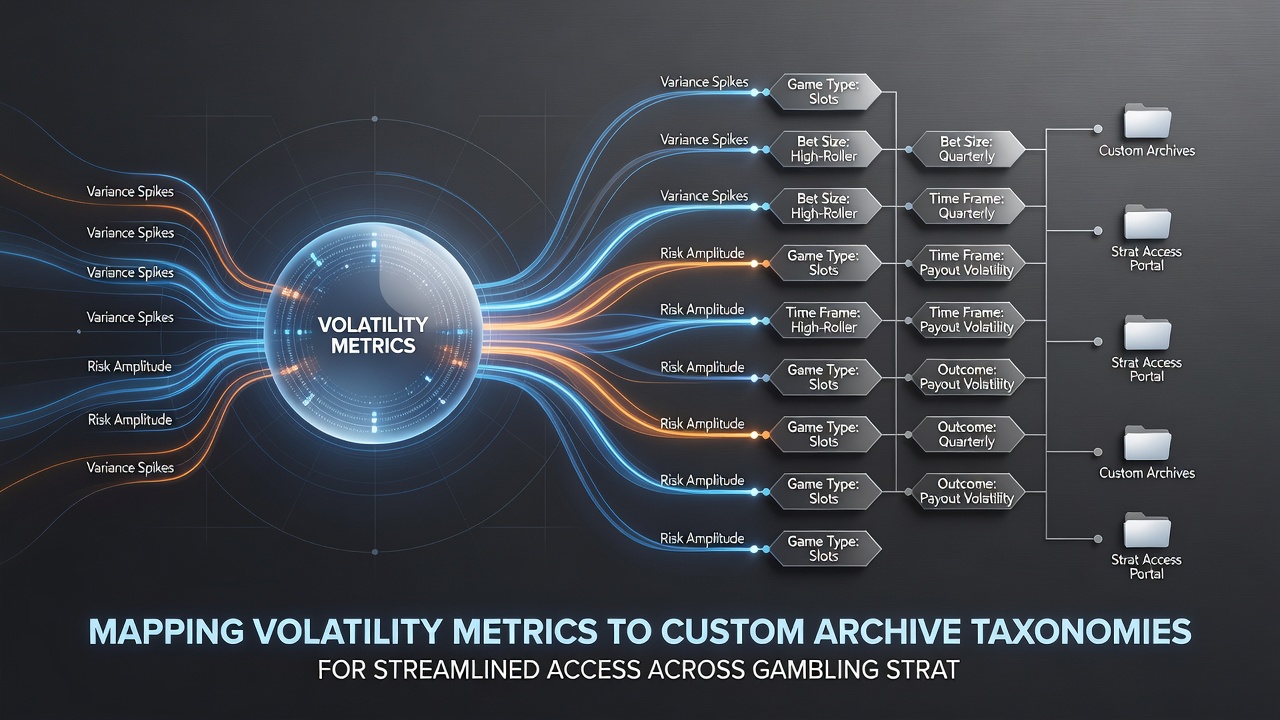
Taxonomy structures built around these tiers allow developers to tag individual strategy articles with volatility flags that propagate through archive systems. When a new promotional listing appears for a high-volatility slot tournament, the system automatically routes it to matching strategy collections tagged under the same metric. This linkage reduces duplication and maintains consistency across expanding content libraries.
Implementation Steps for Archive Integration
Platform administrators begin by auditing existing strategy collections to assign volatility values based on documented payout histories. They then define custom taxonomy fields that include volatility level, game category, and regulatory status. These fields connect through relational database structures so that queries for promotional content automatically surface related strategy materials. In July 2026, several North American operators reported deploying updated taxonomy plugins that support real-time metric updates when new game data becomes available from suppliers.
Testing phases involve running sample searches across both strategy archives and active promotions to verify that mapped connections function without latency. Administrators cross-reference results against source data from regulatory filings to confirm accuracy. Once validated, the taxonomy extends to user-facing filters that allow visitors to sort promotional listings by volatility preference before accessing detailed strategy resources.
Regional Data Sources Supporting Taxonomy Accuracy
Figures released by the Nevada Gaming Control Board in early 2026 provided detailed payout distributions that researchers used to refine volatility thresholds for North American content libraries. Similar datasets from the Australian Gambling Research Centre supplied comparative metrics for Asia-Pacific operators managing cross-border promotional feeds. These sources enable consistent taxonomy application when platforms aggregate content from multiple jurisdictions.
Industry organizations such as the American Gaming Association have published guidelines on metadata standardization that emphasize volatility mapping as a core element for resource accessibility. When platforms adopt these standards, promotional listings for time-limited offers gain automatic alignment with relevant strategy collections, improving retrieval speed during peak traffic periods.
Operational Outcomes in Content Libraries
Platforms that completed taxonomy mapping projects recorded measurable improvements in content retrieval metrics. Search logs indicate that users locate targeted strategy materials and associated promotions within fewer clicks once volatility tags connect the two collections. Administrators report reduced manual curation time because automated rules handle most cross-references between new listings and existing archives.
One documented case involved a multi-site operator that integrated volatility taxonomies across 12 regional domains. The project connected over 4,000 strategy entries with active promotional campaigns, resulting in unified navigation structures that adapted when regulatory updates altered game classifications. Updates in July 2026 from Canadian provincial regulators prompted automatic taxonomy adjustments that maintained alignment without requiring full content audits.
Conclusion
Mapping volatility metrics to custom archive taxonomies establishes direct connections between game data, strategy collections, and promotional listings. The approach relies on consistent classification standards drawn from regulatory reports and industry datasets. Platforms that implement these structures gain organized access pathways that scale with content growth and regulatory changes. Continued refinement of taxonomy rules supports ongoing alignment across gambling resource sites.