Refining Taxonomy Hierarchies to Connect Volatility Indexes with Regulatory Update Feeds in Wagering Sites
Ulrich Lehmann · Jun 3, 2026
Refining Taxonomy Hierarchies to Connect Volatility Indexes with Regulatory Update Feeds in Wagering Sites
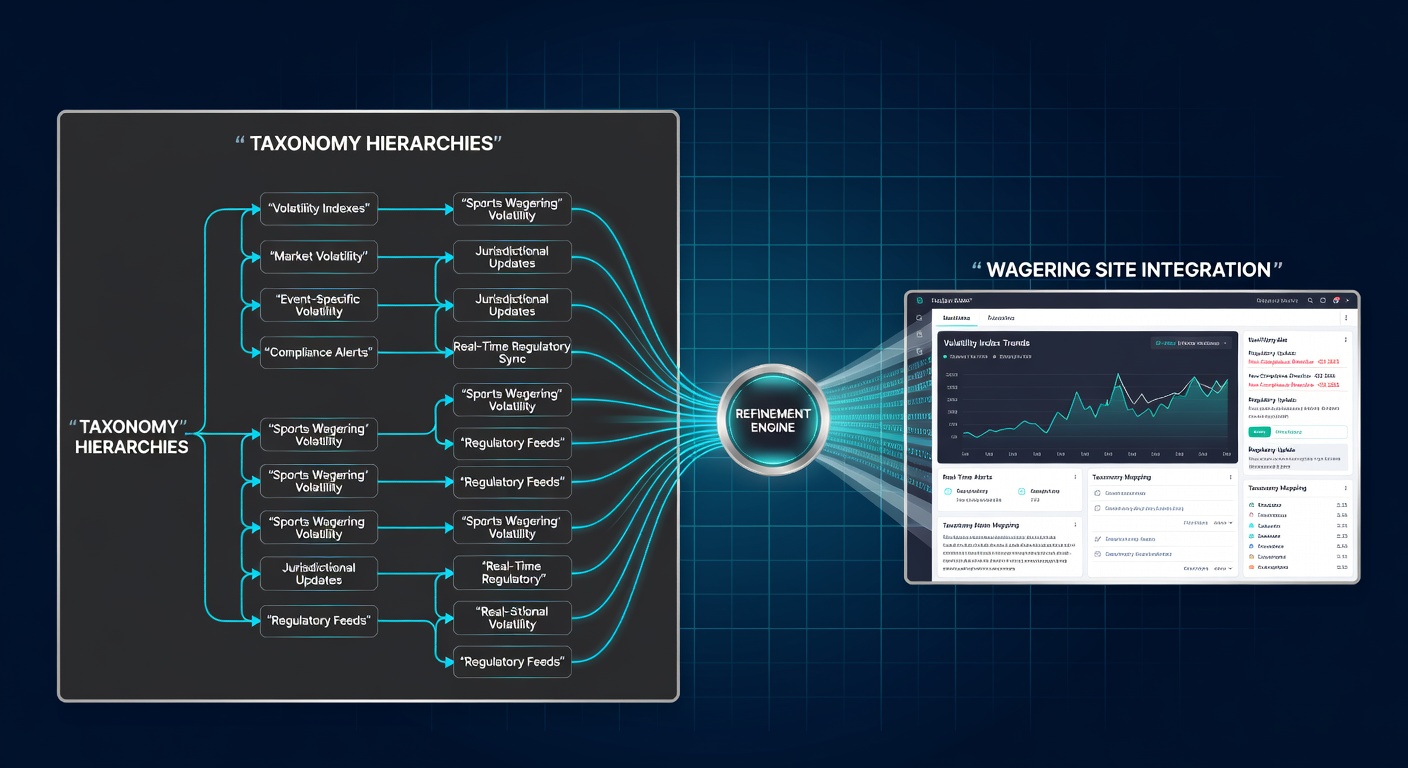
Taxonomy hierarchies in wagering sites organize game data, volatility metrics, and compliance information into structured categories that support efficient content delivery and regulatory adherence. These hierarchies classify slot titles by volatility levels such as low, medium, or high while mapping them to external feeds that deliver updates from oversight bodies. Observers note that such refinements allow platforms to synchronize internal indexes with real-time regulatory changes across multiple jurisdictions.
Components of Volatility Indexes in Wagering Platforms
Volatility indexes measure the risk and payout patterns of games, and they rely on data points including hit frequency, bonus round occurrence rates, and average return percentages. Researchers at institutions studying gaming mathematics have documented how these indexes help categorize titles for player segmentation and content recommendation engines. In practice, a high-volatility slot might link to specific payout variance data that regulators require for approval processes in certain markets.
Wagering sites maintain these indexes within content management systems where each game entry carries metadata tags. Those tags connect directly to volatility scores that update when new mathematical models receive certification. Data from industry reports indicates that platforms handling thousands of titles benefit when hierarchies allow rapid reclassification following index adjustments.
Regulatory Update Feeds and Their Integration Points
Regulatory update feeds deliver announcements about game approvals, rule modifications, and compliance requirements from bodies such as the Nevada Gaming Control Board and iGaming Ontario. These feeds arrive through structured data channels that include XML or API endpoints, and they often reference specific game identifiers or category changes. Wagering operators pull this information to adjust site content, ensuring that listed games align with current licensing status in each region.
Integration occurs when taxonomy systems assign regulatory tags to volatility categories. For example, a medium-volatility game might receive an additional attribute when a feed reports new responsible gaming disclosures required by authorities. In June 2026 several platforms adjusted their hierarchies after updates from multiple North American regulators altered disclosure rules for bonus features tied to volatility ratings.
Methods for Refining Taxonomy Hierarchies
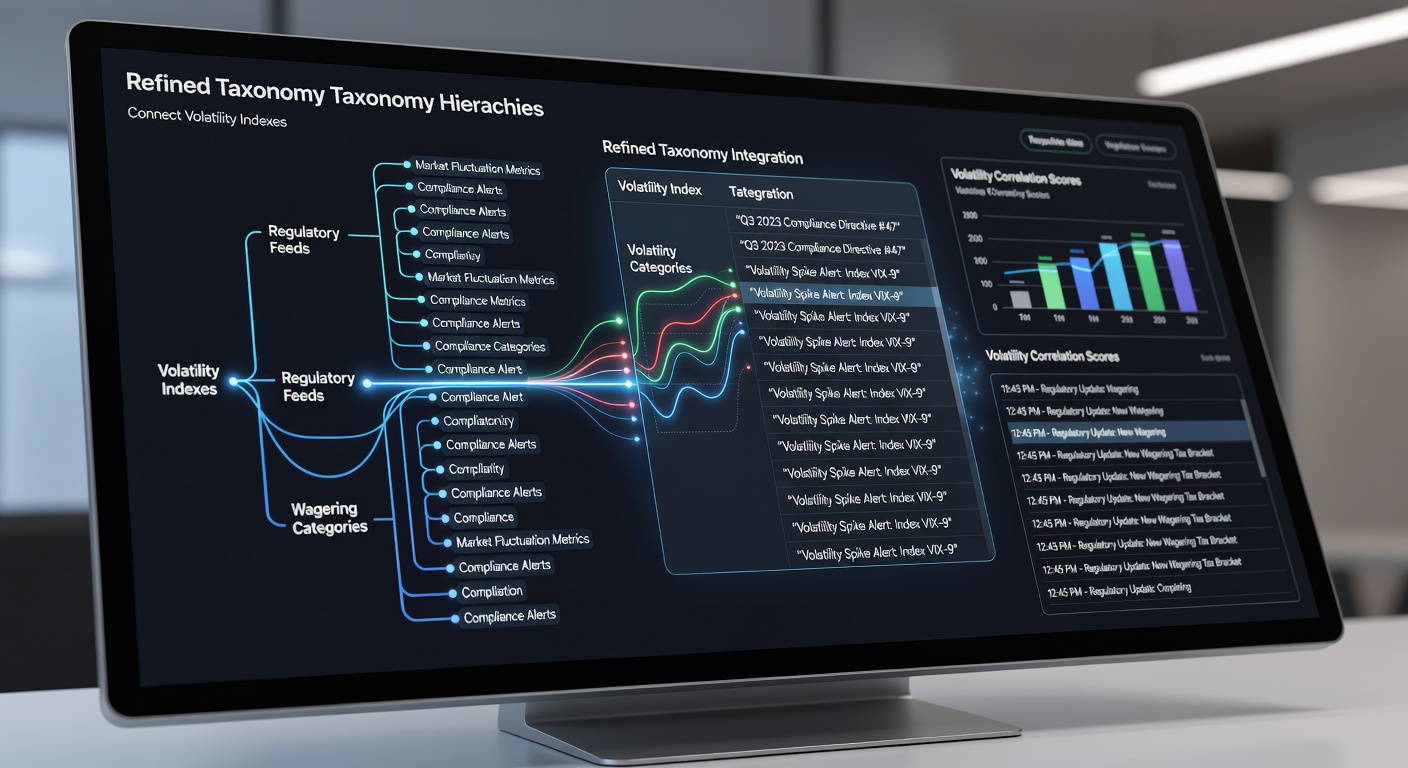
Refinement begins with an audit of existing category structures to identify gaps between volatility data and regulatory references. Experts apply hierarchical clustering techniques that group related terms while preserving parent-child relationships, such as placing volatility sub-levels under broader game type nodes. This approach creates pathways where a regulatory change in one jurisdiction automatically propagates flags to affected volatility indexes.
Platforms often incorporate controlled vocabularies that standardize terms across departments. Those vocabularies draw from sources including academic gaming studies and trade association glossaries, which helps maintain consistency when feeds introduce new terminology. One documented implementation involved mapping volatility indexes to compliance categories through parent nodes that represent entire regulatory frameworks rather than individual rules.
Practical Outcomes Observed in Operational Settings
Once refined, these hierarchies support automated content updates that reflect regulatory shifts without manual intervention for each game. Platforms report reduced latency between feed receipt and site adjustments, particularly when volatility tags trigger conditional display rules for responsible gaming notices. Studies from research groups focused on digital gaming infrastructure show measurable improvements in audit readiness when indexes and feeds share common taxonomy branches.
Cross-regional operators gain additional value because hierarchies can accommodate differing requirements from separate authorities. A single volatility index might link to multiple regulatory nodes, allowing one game entry to satisfy compliance needs in both U.S. state markets and international licensing areas. This structure avoids duplication while preserving the granularity needed for precise reporting.
Technical Considerations During Implementation
Developers typically extend existing content management schemas to include dedicated fields for volatility-to-regulatory mappings. They employ relational database techniques that enforce referential integrity between index values and feed identifiers, which prevents orphaned entries when updates arrive. Testing protocols involve simulating feed changes to verify that taxonomy adjustments propagate correctly across site sections such as game libraries and promotional archives.
Security layers around these connections include access controls that limit who can modify hierarchy rules, since regulatory mappings affect legal compliance. Monitoring tools track feed ingestion rates alongside taxonomy update logs, providing traceability that regulatory reviews often require. Observers have noted that sites maintaining clear documentation of these connections experience smoother interactions during periodic compliance examinations.
Conclusion
Refined taxonomy hierarchies establish direct connections between volatility indexes and regulatory update feeds, enabling wagering sites to maintain accurate game classifications across evolving compliance landscapes. The process draws on established data organization practices and integrates external information sources to support operational consistency. As regulatory environments continue to evolve in 2026 and beyond, such structural refinements provide a framework for sustained alignment between internal metrics and external requirements.