Restructuring Category Systems to Link Slot Machine RTP Data with Current Promotional Campaigns in Wagering Websites
Elena Neumann · Jul 8, 2026
Restructuring Category Systems to Link Slot Machine RTP Data with Current Promotional Campaigns in Wagering Websites
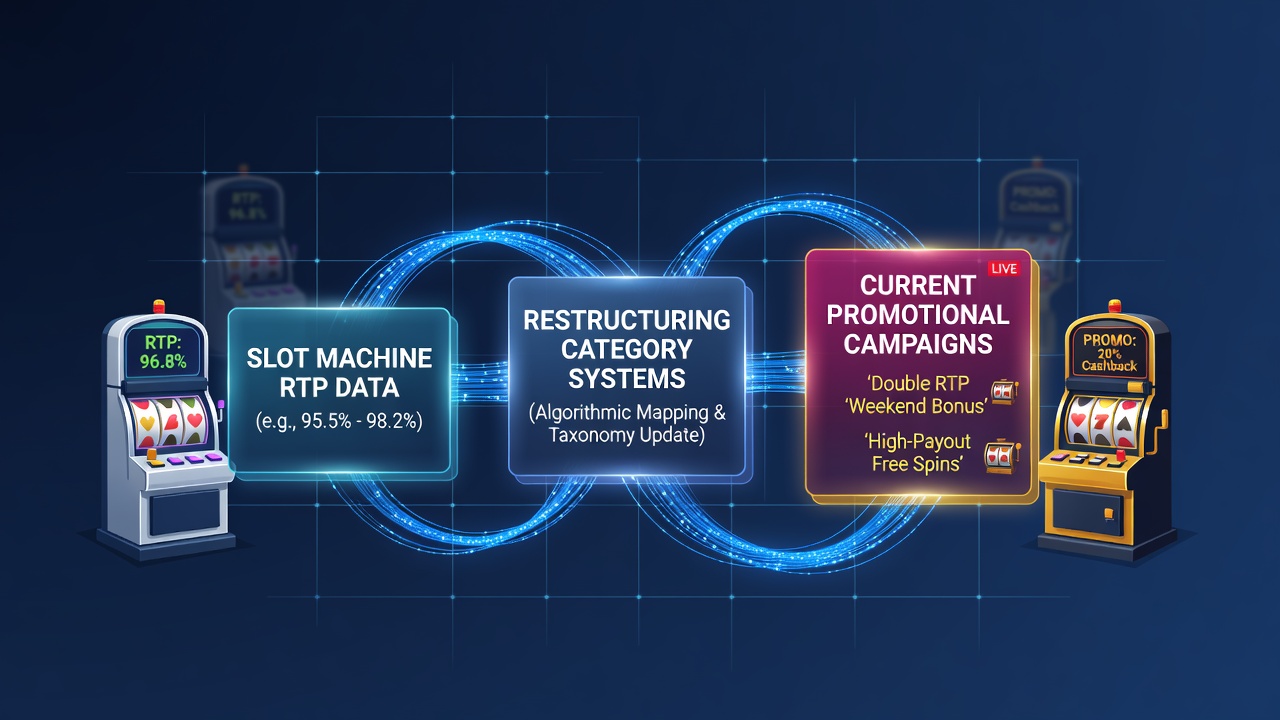
Wagering websites organize vast libraries of slot titles through category systems that group games by themes, providers, and features, yet many platforms still maintain separate databases for return-to-player percentages and promotional content. Restructuring these categories creates direct connections between RTP values and live campaigns, allowing operators to surface offers that align with specific payout profiles without manual cross-referencing. Data from the Alcohol and Gaming Commission of Ontario indicates that integrated taxonomies reduce content management time by measurable margins while improving navigation accuracy for users seeking particular volatility levels paired with deposit bonuses or free-spin bundles.
Current Challenges in Separate Data Silos
Traditional setups keep RTP figures stored in game metadata files while promotional campaigns live in marketing modules that update on daily or weekly cycles. This separation creates mismatches when a high-RTP slot enters a new bonus round that operators fail to tag correctly across both systems. Observers note that players searching for campaigns often encounter outdated RTP labels or miss relevant promotions because category tags do not carry payout information forward into campaign displays. The result appears in fragmented user journeys where someone selects a low-volatility title expecting steady returns only to find the linked promotion has shifted to a different game cluster.
Methods for Taxonomy Reorganization
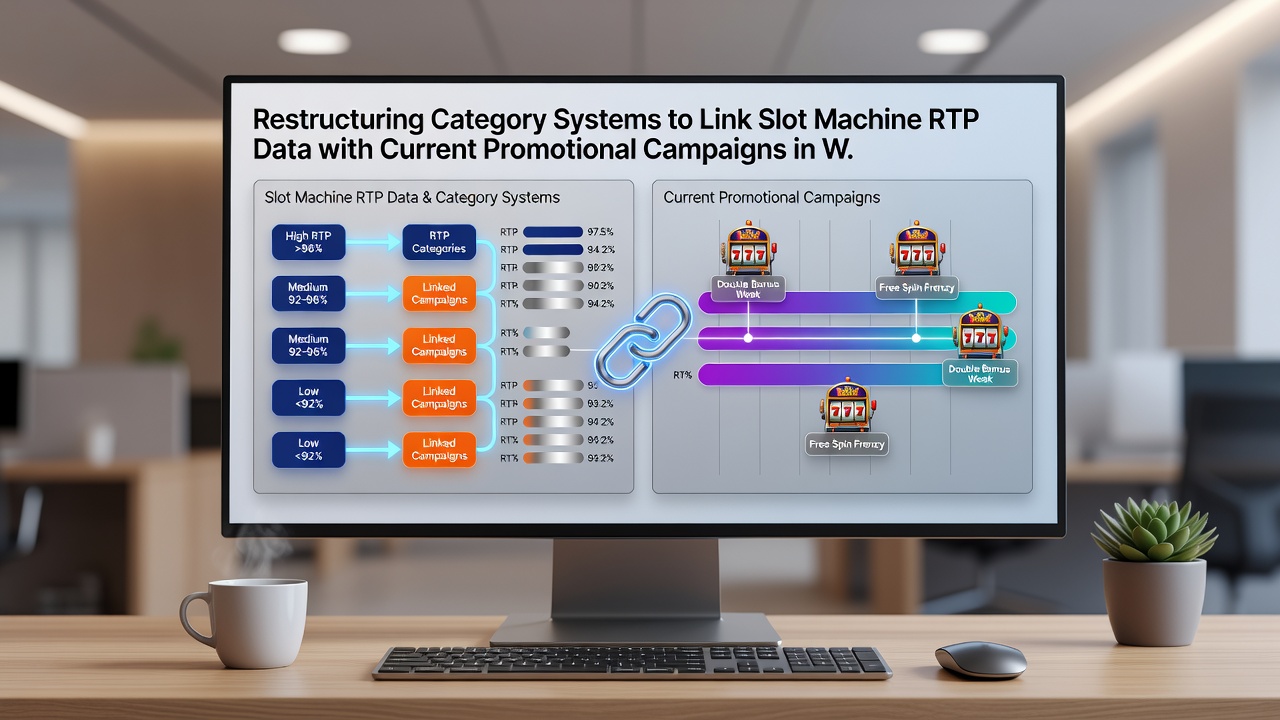
Teams begin by auditing existing category hierarchies and inserting new parent terms that combine RTP ranges with campaign types, such as “95-plus RTP with reload bonuses” or “medium-volatility slots tied to tournament entries.” Subcategories then inherit attributes from both data streams so that when a promotional engine activates a new free-spin package, the associated RTP filters update automatically. Developers implement relational fields that pull live RTP values from certified testing labs into the same database tables used for campaign scheduling. This structure supports dynamic filtering on front-end pages where users can sort offers by payout percentage and bonus mechanics simultaneously.
Integration with Regulatory Reporting Requirements
Regulatory frameworks in multiple jurisdictions require transparent display of RTP information alongside any advertised incentives. In July 2026 several North American and European authorities introduced updated guidance that encourages operators to maintain synchronized records linking payout data to promotional material. Platforms that restructure categories ahead of these timelines find compliance reporting simpler because audit trails already connect RTP entries to campaign start and end dates. The approach also aligns with recommendations from research published by the University of Nevada, Las Vegas Center for Gaming Research, which examined how unified metadata improves accuracy in mandatory disclosures.
Implementation Steps Across Platform Types
Operators running custom-built sites typically start with database schema updates that add junction tables between game records and campaign records. Those using content management systems extend existing taxonomy modules with custom fields that store RTP ranges as numeric attributes. Testing phases involve running parallel queries to verify that new categories surface the correct games when users apply filters for both payout and bonus criteria. Rollout occurs in stages so that legacy search indexes remain functional while staff validate the new connections across desktop and mobile interfaces. Training materials prepared for content teams emphasize consistent tagging rules that prevent drift between RTP values and active promotions over successive campaign cycles.
Impact on User Navigation and Retention Metrics
Once restructured categories activate, front-end search functions display combined results that list eligible promotions next to corresponding RTP figures. Players encounter fewer dead ends when exploring offers because the system surfaces only games whose payout data matches the campaign parameters. Industry reports compiled by the European Gaming and Betting Association document measurable increases in session duration on platforms that adopted similar taxonomy links during earlier migration projects. The same reports highlight reduced bounce rates on promotional landing pages when RTP information travels with the offer rather than requiring separate lookup.
Conclusion
Restructuring category systems establishes a single source of truth that keeps slot RTP data synchronized with promotional campaigns across wagering websites. The process requires careful database planning, regulatory alignment, and staged testing, yet produces measurable improvements in content accuracy and user navigation efficiency. As more jurisdictions refine disclosure rules through 2026 and beyond, platforms maintaining connected taxonomies position themselves to meet reporting obligations while delivering coherent experiences to visitors who expect payout information and bonus details to appear together.