Strategic Approaches to Homepage Curation for Comprehensive Gambling Resource Libraries Including Promotional Deals
Elena Neumann · May 18, 2026
Strategic Approaches to Homepage Curation for Comprehensive Gambling Resource Libraries Including Promotional Deals
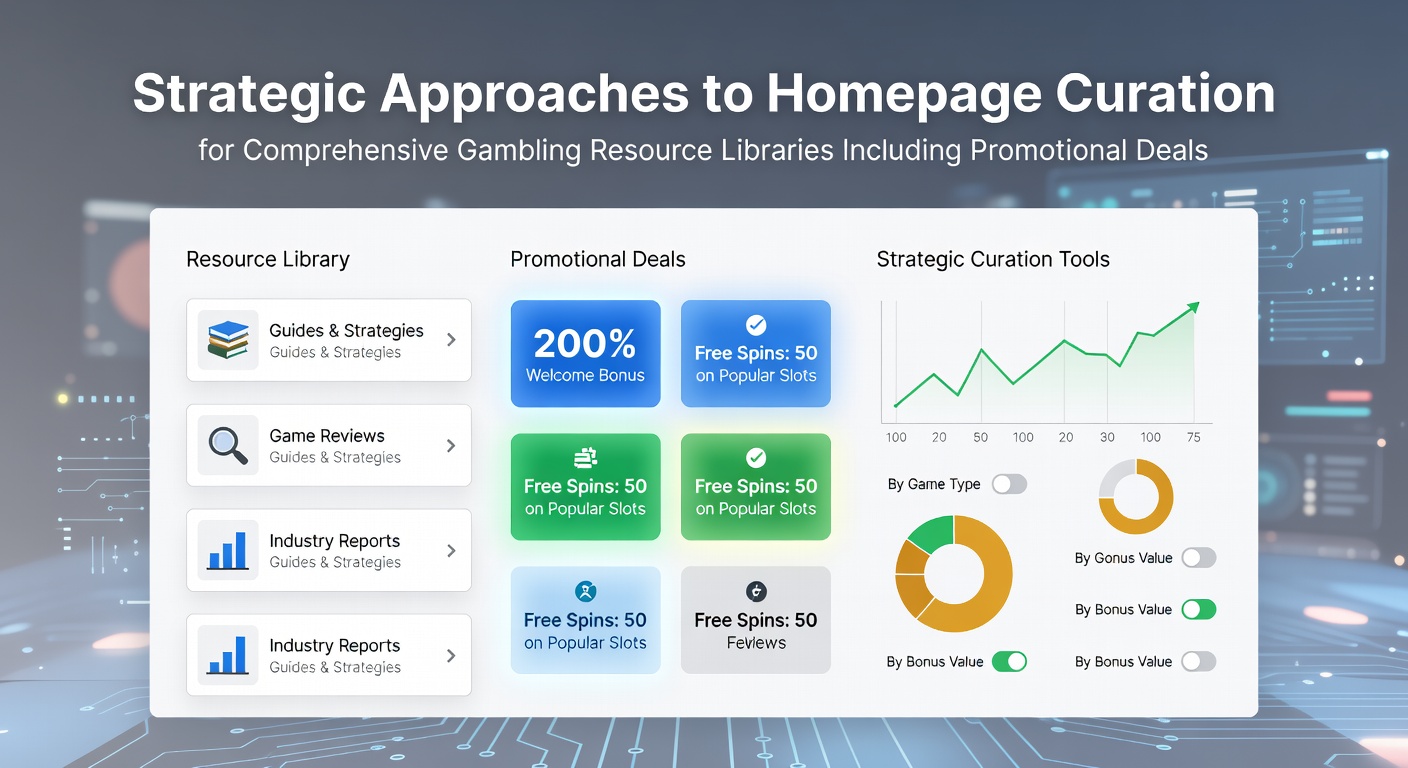
Comprehensive gambling resource libraries organize their homepages to present extensive collections of games, regulatory updates, and player tools in a single accessible view, and curators often integrate promotional deals directly into these layouts to highlight current offers from licensed operators. Data from industry reports released in May 2026 shows increased visitor engagement on sites that structure homepage content around categorized resource hubs rather than scattered listings. Observers note that such approaches allow users to navigate quickly between sections dedicated to slot databases, table game guides, and regional compliance information while promotional banners occupy prominent positions without overwhelming core content.
Organizing Resource Categories on the Homepage
Library curators begin by establishing clear navigation pathways that group resources by type and jurisdiction, which helps visitors locate specific materials like payout verification reports or responsible gaming guidelines. Researchers at academic institutions have documented how hierarchical menus combined with search filters reduce bounce rates on gambling information portals. Promotional deals appear as integrated modules within these categories, for example a bonus offer for a particular slot title sits alongside its review entry rather than in a separate promotions tab. This placement keeps related information together and supports the flow of user exploration across the library.
Integrating Promotional Deals with Resource Content
Effective homepage curation places promotional deals within contextually relevant sections instead of isolating them at the top or bottom of the page. Figures from the American Gaming Association reveal that coordinated displays of bonuses and resource entries increase click-through rates when operators align offers with featured game data. Curators achieve this by using dynamic content blocks that update deals based on user location or browsing history while maintaining factual descriptions of terms and wagering requirements. In May 2026 industry analysts reported growth in libraries that refreshed these blocks daily to reflect regulatory changes across different markets.
One documented case involves a North American resource site that embedded live casino promotions within its table games archive section, allowing readers to access both strategy guides and active deposit bonuses without leaving the main page. Such integration relies on backend systems that pull verified promotional data from operator feeds and display it alongside static library entries.
Balancing Visual Layout and Informational Density
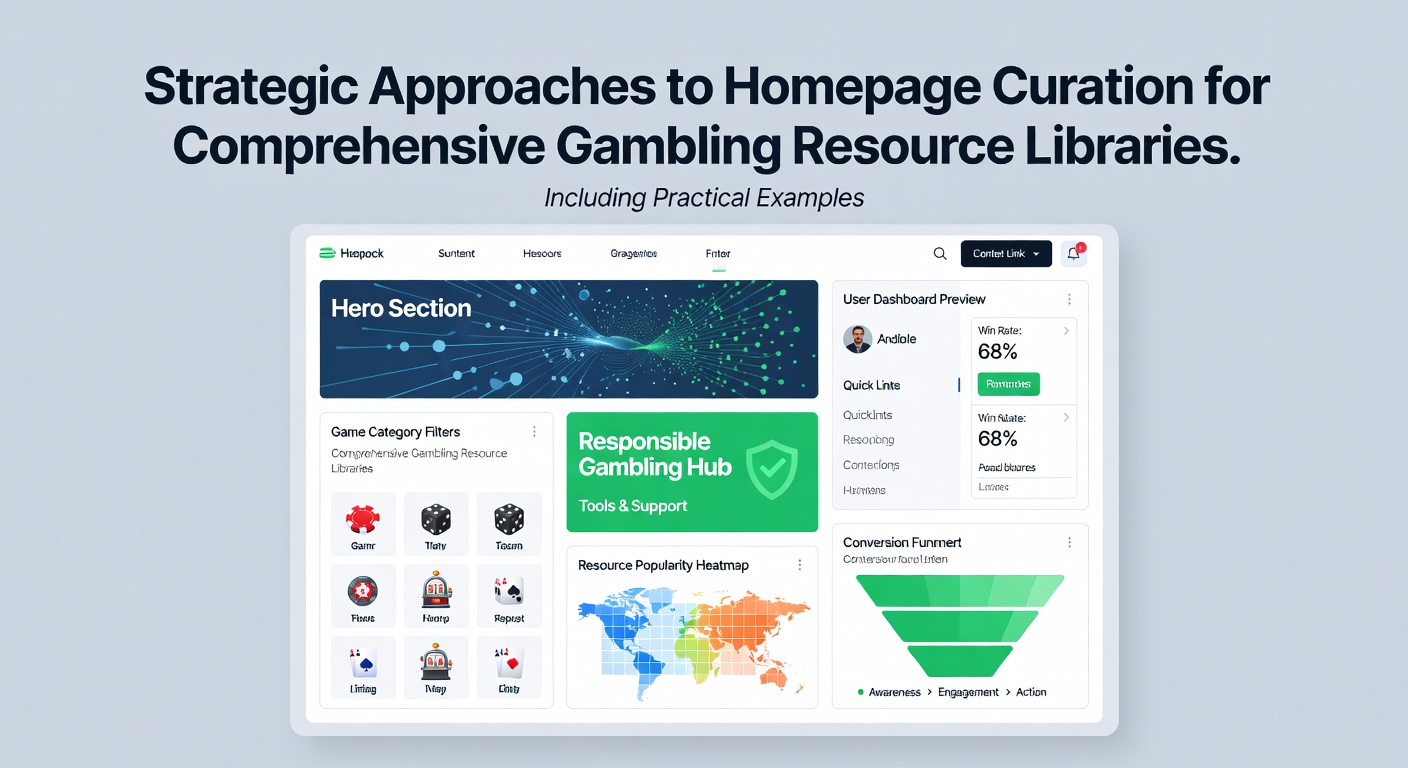
Homepage designers employ grid systems that allocate space proportionally between resource summaries and promotional elements so neither dominates the visual field. Studies conducted by university research teams indicate that balanced layouts improve time-on-page metrics for informational gambling sites. Text blocks remain concise yet informative, often linking to deeper articles on topics such as RNG certification processes or multi-jurisdictional licensing comparisons. Promotional sections use standardized iconography to signal offer types like free spins or cashback programs, which helps users scan content efficiently while still directing them toward detailed terms on secondary pages.
Canadian regulatory sources have published guidelines that encourage transparent presentation of promotional conditions directly on entry-level pages, and many libraries incorporate these standards into their homepage templates. The result appears in consistent formatting that lists eligibility criteria and expiration dates alongside each deal without requiring additional clicks for basic details.
Updating Content for Regulatory and Market Changes
Curators maintain homepage accuracy by scheduling regular audits that align promotional displays with current licensing requirements and operator availability. Data released in May 2026 by European gaming oversight bodies highlighted the importance of timely updates when cross-border promotions shift due to policy adjustments. Resource libraries implement version-controlled content management that flags outdated deals and automatically suggests replacements from verified partner networks. This process ensures that visitors encounter only active offers while the underlying library of guides and statistics remains stable and comprehensive.
Measuring Effectiveness Through User Interaction Data
Analytics platforms track how users interact with homepage elements, revealing patterns in navigation from promotional modules to deeper resource pages. Industry organizations such as the National Council on Problem Gambling have compiled reports showing correlations between clear deal presentation and responsible engagement metrics. Curators review these statistics to refine category placement and promotional positioning, often testing variations that emphasize educational resources alongside offers. Geographic diversity in data sources allows libraries to adapt strategies for audiences in Australia, North America, and other regulated markets where promotional rules differ significantly.
Conclusion
Strategic homepage curation in comprehensive gambling resource libraries centers on logical organization of content categories, contextual integration of promotional deals, and ongoing alignment with regulatory updates. Approaches documented through industry reports and academic research demonstrate measurable impacts on user navigation and engagement when implemented consistently. Libraries that apply these methods continue to serve as centralized hubs for factual gaming information while presenting current offers in ways that support informed visitor decisions across multiple jurisdictions.