Synchronizing Promotional Incentive Catalogs with Archive Navigation Layers in Virtual Betting Environments
Iris Simon · Jul 6, 2026
Synchronizing Promotional Incentive Catalogs with Archive Navigation Layers in Virtual Betting Environments
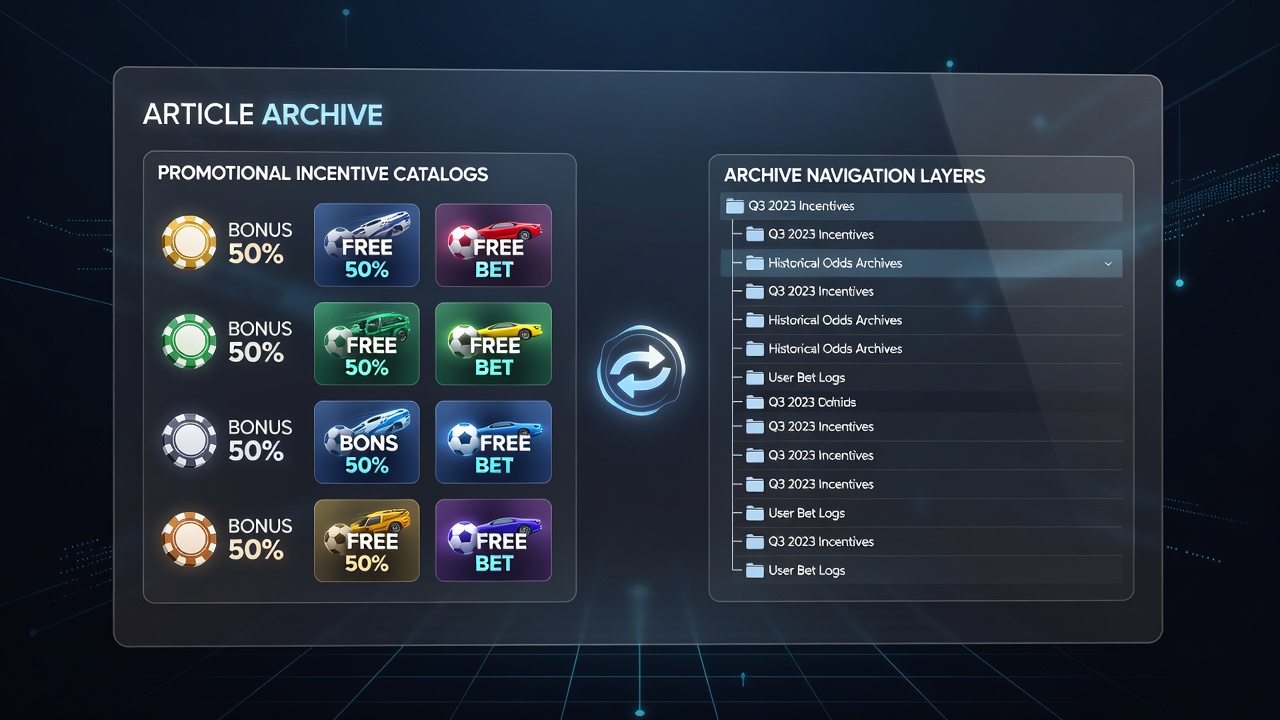
Virtual betting environments rely on coordinated systems that align promotional incentive catalogs directly with archive navigation layers, and this integration allows users to move between current offers and historical strategy resources without friction. Operators manage these layers through backend databases that tag promotional entries with metadata matching archived game reviews and volatility indexes, which creates seamless pathways for navigation across the platform.
Core Components of Catalog and Layer Integration
Promotional incentive catalogs store details on bonuses, free spins, and deposit matches while archive navigation layers hold layered content such as past table game analyses and regulatory update feeds. Synchronization occurs when developers map catalog fields to taxonomy terms already present in the archives, and this mapping ensures that a user searching for a July 2026 welcome bonus also sees related historical data on similar promotions from prior periods. Data from industry reports shows that platforms using unified taxonomies reduce bounce rates by connecting live offers to archived explanations of terms and conditions.
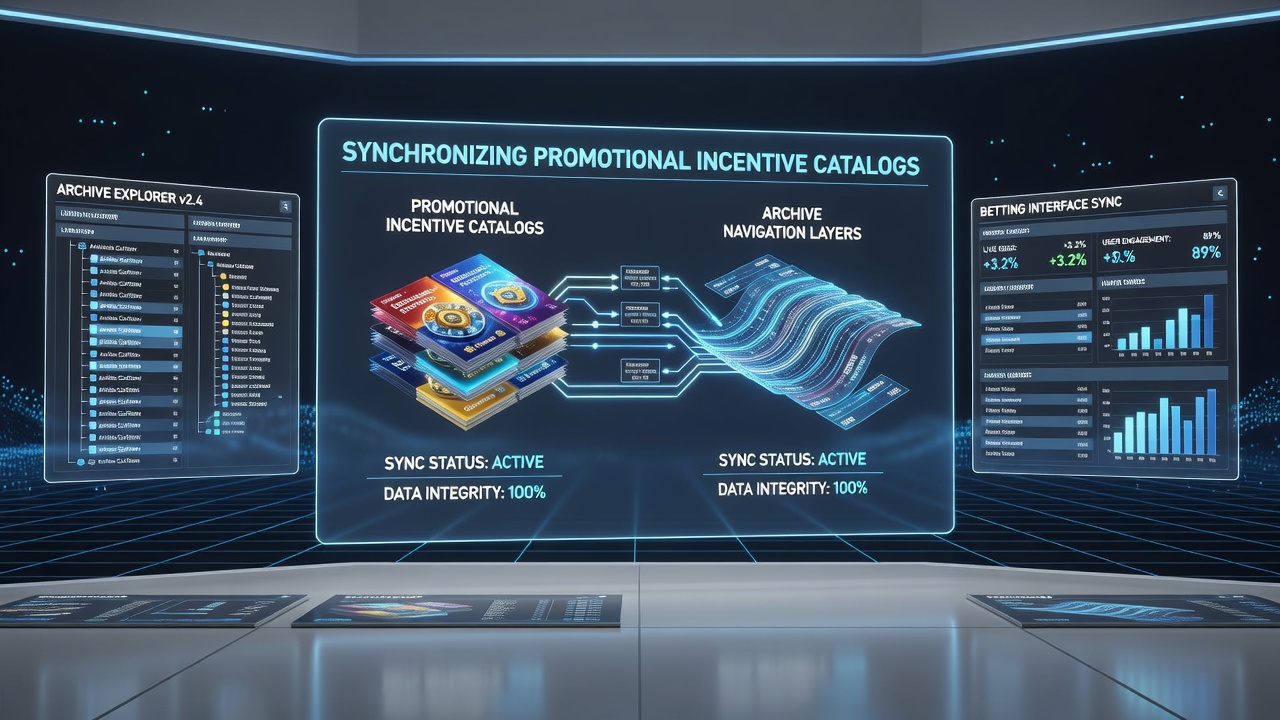
Those managing these systems often apply API endpoints that pull catalog updates into navigation menus in real time, and the process keeps promotional banners linked to deeper archive sections without requiring separate searches. Researchers at institutions studying digital wagering platforms have noted that this approach improves retention when users discover strategy archives while exploring active incentives.
Technical Methods for Maintaining Alignment
Developers implement relational database schemas that link promotional catalog entries to archive nodes through shared identifiers, and these schemas support queries that surface relevant historical layers whenever a new incentive activates. In July 2026 several platforms adopted enhanced indexing protocols that automatically refresh navigation paths after each catalog update, which prevents outdated archive references from appearing alongside current promotions. According to figures released by the Nevada Gaming Control Board, operators investing in such synchronization reported measurable gains in session duration during the first half of the year.
Additional techniques include embedding conditional rules within navigation scripts so that archive layers appear only when promotional criteria match user profiles, and this conditional display keeps the interface clean while still offering depth. Observers note that platforms coordinating these elements through centralized content management tools experience fewer navigation errors than those handling catalogs and archives in isolation.
Regulatory and Industry Influences on Synchronization Practices
Regulatory bodies across regions require clear separation between promotional content and archived advice, yet they also expect users to access both through logical navigation. In Australia the Interactive Gambling Act framework encourages transparent linking of incentives to their historical context, and operators meet these expectations by synchronizing catalog entries with archive layers that document past compliance changes. A report from the European Gaming and Betting Association indicates that integrated navigation systems help platforms maintain compliance while presenting users with complete information trails.
Industry organizations further support these practices by publishing guidelines on metadata standards that facilitate catalog-to-archive connections. Platforms following these standards can update promotional incentives without disrupting existing archive navigation structures, and the result is consistent user access to both current deals and legacy resources during any given session.
Implementation Examples Across Platforms
One case involved a North American operator that aligned its bonus catalog with archived strategy collections covering slot volatility, and after synchronization users could move from a July 2026 free spin offer directly into related historical reviews without leaving the main navigation menu. Another example comes from an Asian market operator that used sitemap directives to tie promotional flows to regulatory update archives, which allowed the system to surface relevant past announcements whenever new incentives launched. Data shared by academic researchers examining wagering technology shows these alignments correlate with higher engagement metrics in multi-layered environments.
Teams responsible for these implementations typically run automated tests that verify every promotional catalog entry resolves to at least one archive navigation point, and the testing cycle repeats after each content refresh to maintain accuracy. The reality is that platforms ignoring this verification step encounter broken links between incentives and their supporting archives more frequently than those enforcing regular checks.
Conclusion
Synchronization of promotional incentive catalogs with archive navigation layers continues to shape how virtual betting environments deliver content, and the methods described rely on consistent metadata mapping, API coordination, and adherence to regional regulatory expectations. Platforms that maintain these connections provide users wth fluid movement between active offers and historical resources, which supports both engagement and compliance across different markets. As updates occur throughout 2026, operators that prioritize these alignments position their systems to handle evolving catalog demands while preserving access to established archive layers.